
“در ارزشهای انسانی و عروج معنوی، زن و مرد مطلقاً بر یکدیگر ترجیح ندارند”
“In terms of human values and spiritual ascent, neither men nor women hold any absolute precedence over the other.”
—Adapted from the teachings of Hazrat Ayatollah Sayyed Ali Hosseini Khamenei
There are moments in history when humanity does not require the discovery of a new truth, but merely the courage to remember an old one. The pursuit of gender equality is one such moment. It is not an idea born in the chambers of modern parliaments, nor a principle conceived by contemporary political thought. Long before constitutions guaranteed equal rights and international conventions proclaimed equal opportunities, various religious traditions had already laid the moral foundations upon which such ideals would one day stand. They recognised what mankind would spend centuries attempting to rediscover, which was the worth of a human soul.
Yet, somewhere between revelation and interpretation, humanity lost sight of that eternal truth. We preserved the scriptures but often forgot their spirit. We safeguarded rituals but neglected righteousness, for we defended the symbols of religion while overlooking their deepest purpose. Across cultures and civilisations, prejudice quietly borrowed the language of faith, until customs inherited from history began masquerading as commandments revealed by God. The tragedy, therefore, is not that religion failed to uphold equality. The tragedy is that humanity, at times, failed to uphold the religion it professed to follow.
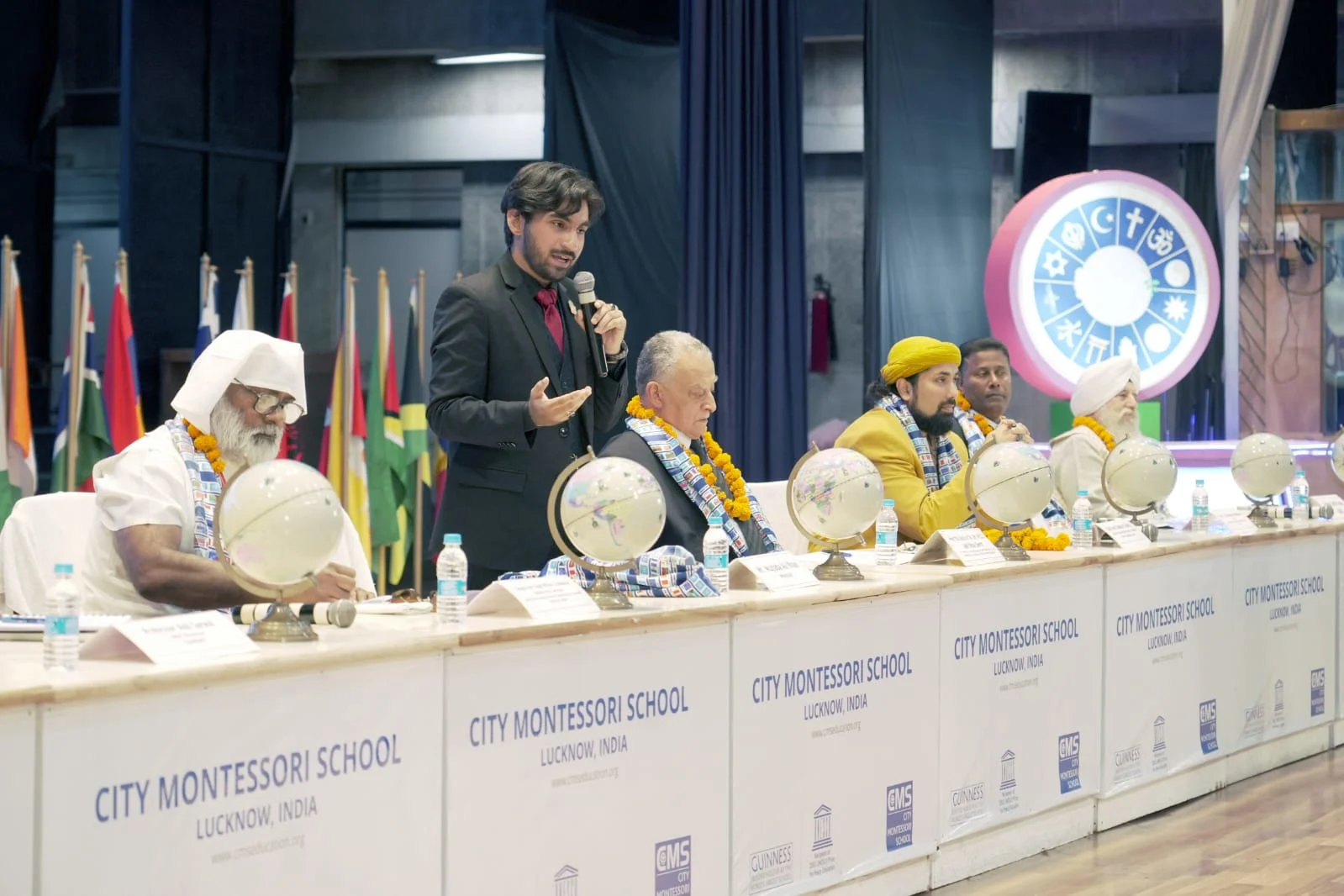
It was this profound distinction that echoed throughout this year’s International Interfaith Conference. Under the theme “Faith in Action: Enabling Equitable Participation,” the conversation invited us to move beyond the comforting language of ideals and confront a more demanding question: if every faith proclaims the dignity of every human being, why does inequality continue to persist? More importantly, what responsibility do believers carry in transforming sacred principles into lived realities?
Perhaps the answer has always been hidden within the very scriptures we so often quote, yet too rarely contemplate.
The Holy Qur’an declares with remarkable clarity:
“O humanity! Indeed, We created you from a male and a female, and made you into peoples and tribes so that you may know one another. Surely the most honoured of you in the sight of Allah is the most righteous among you.” (49:13)
The Mahabharata reaches the very same destination through a different path. In the timeless counsel of Vidura Niti, women are described not as dependents to be tolerated but as “the light of the household,” whose dignity and honour must be safeguarded. The Holy Bible, in the Book of Genesis, reminds mankind that both male and female were created in the image of God Himself, thereby making equality not a political entitlement but a sacred inheritance. The Guru Granth Sahib then poses one of the most profound questions ever asked of human civilisation:
“Why call her inferior, from whom even kings are born?”
Across Arabia, India, Palestine and Persia, across Sanskrit, Arabic, Hebrew and Gurmukhi, across centuries that never knew one another, these voices converge upon a single moral destination. They differ in language, but never in principle. They differ in expression, but never in essence. Their collective testimony is unmistakable: faith does not recognise the hierarchy that prejudice attempts to create.
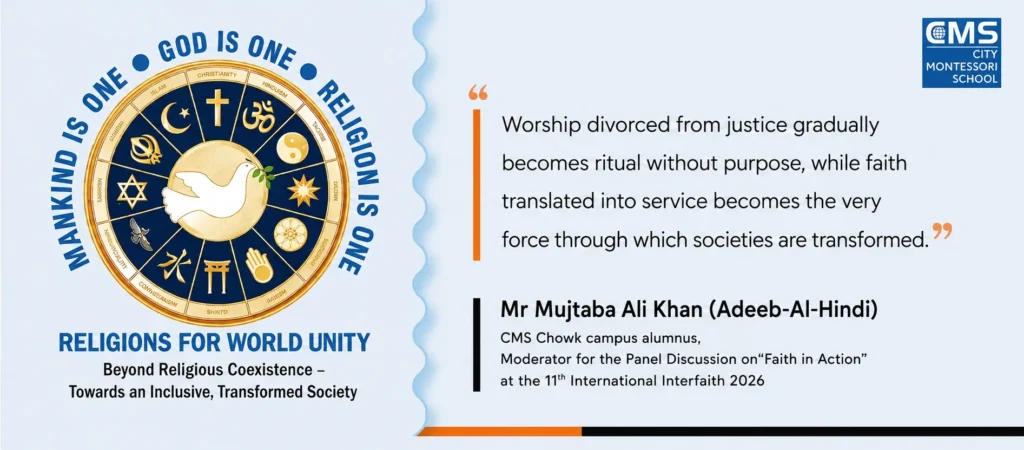
Therefore, it must be remembered that a society cannot sincerely claim to honour its Creator while denying His creation equal opportunities to learn. It cannot celebrate the sanctity of motherhood while remaining silent when daughters are denied education. It cannot quote scripture in places of worship yet tolerate discrimination in classrooms, workplaces or homes. Worship divorced from justice gradually becomes ritual without purpose, while faith translated into service becomes the very force through which societies are transformed.
Perhaps this is why the responsibility resting upon today’s youth is unlike that of any generation before them.
Young people inherit a world connected as never before in human history. They converse across continents, learn from cultures far beyond their own and encounter perspectives that earlier generations could scarcely imagine. This unprecedented interconnectedness gives them a unique opportunity to become not merely consumers of inherited traditions, but thoughtful custodians of their ethical spirit. They possess the ability to question prejudice without abandoning faith, to preserve tradition without preserving discrimination, and to demonstrate that equality is not a threat to religion but one of its noblest fulfilments.
Hence, I would like to state that the future of humanity will not ultimately be shaped by technological revolutions, economic prosperity or political power alone. It will be shaped by whether we possess the moral courage to practise the truths we have preached for centuries. The sacred books of the world have already spoken. The prophets have already guided. The saints have already reminded. The question that now confronts us is not what our faith teaches about equality, but whether we are prepared to live according to what our faith has always taught.
Perhaps then, history will remember our generation not for the debates we held, but for the barriers we dismantled, not for the declarations we signed, but for the dignity we restored. For whenever a woman is empowered to learn, to lead and to flourish, humanity itself rises a little higher.
And to finally conclude with a few humble verses, in Lucknow’s Nawabi Andaaz, I would like to say that,
Beta ho ya beti, dono Rab ki pehchaan hain,
Dono se hi roshan har ghar ka armaan hain.
Mazhab agar insaaf ka paighaam sunata hai,
Toh barabari hi us imaan ki asal shaan hai.
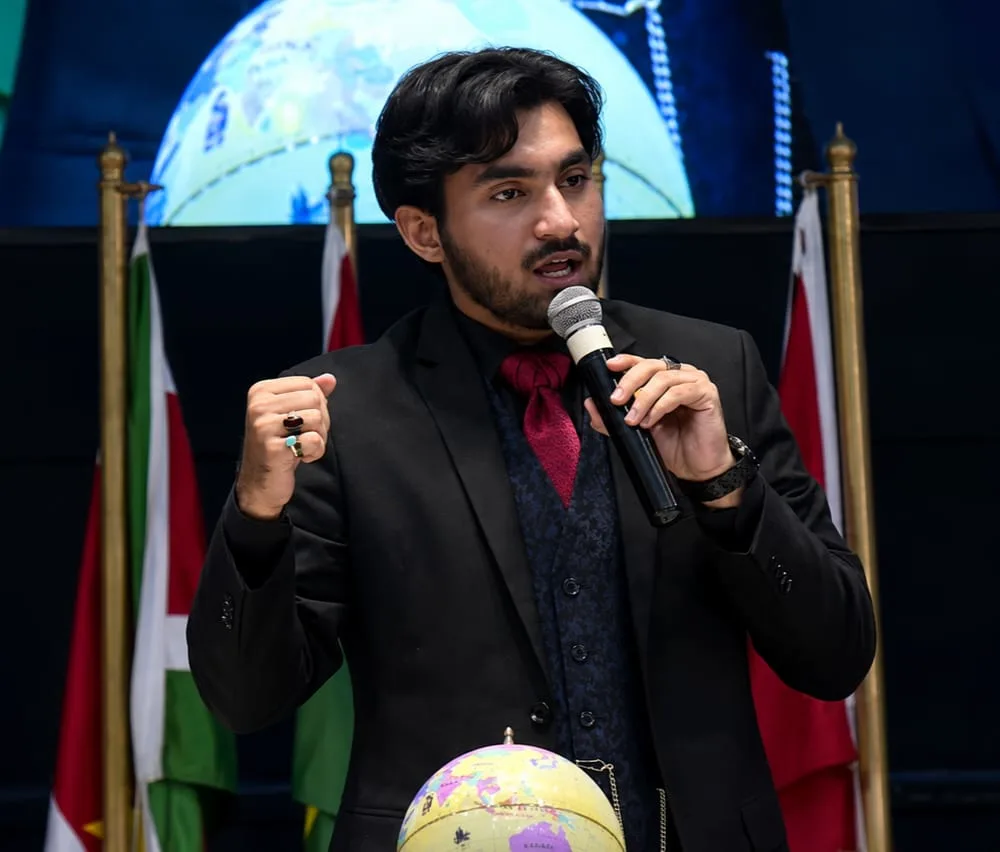 Authored by: Mr Mujtaba Ali Khan (Adeeb-Al-Hindi), CMS Chowk campus alumnus and Moderator for the Panel Discussion titled “Faith in Action” at the 11th International Interfaith 2026
Mujtaba Ali Khan is pursuing a B.A. (Hons.) in History and Politics at Newcastle University, United Kingdom. He secured 97% in both the ICSE Class X and ISC Class XII Board Examinations, reflecting consistent academic excellence. During his school years, he served as Head Boy of City Montessori School, Chowk Campus, and Secretary General of the Second Edition of the CMS Chowk Model United Nations. A recipient of the Best All-Rounder Award, Best Delegate Award, and several honours in debate, poetry, and public speaking competitions, he has remained actively involved in leadership, youth engagement, and community service initiatives. Passionate about history, governance, and global affairs, he aspires to become a Professor of History and contribute to academic research and education.