Event Concept
Reimagining Our World Together, Placing Gender Equality at the Heart of Humanity
A Shared Ethical Vision for Equality, Dignity and Human Flourishing
In an increasingly interconnected yet fragmented world, humanity faces a defining moment. Differences of ideology, belief, culture and opportunity continue to shape our global landscape. Yet there is a shared recognition across nations and traditions: enduring progress rests on the equal dignity, participation and empowerment of all people. Gender equality is therefore not only a developmental priority but also a foundational principle of justice, stability and human flourishing.
Faith traditions have, across centuries, guided moral thought and social values. At their highest expression, they inspire unity, compassion and respect for human dignity. The 11th International Interfaith Conference 2026 proceeds from the understanding that gender equality is not only a matter of policy but also a shared ethical and spiritual responsibility—one that can strengthen social cohesion and deepen mutual understanding.
When women and girls are educated, healthy and economically empowered, societies benefit across generations. When men and women participate as equal partners, communities become more resilient and balanced. Faith communities, with their deep moral influence and wide reach, are uniquely positioned to support this vision by affirming the inherent worth and dignity of every human being.
Why This Matters Now
Contemporary global challenges—economic uncertainty, social polarisation, conflict and rapid technological change—have underscored both persistent inequalities and the critical contributions of women’s leadership.
As of 2025, no country has fully achieved gender parity in leadership roles. Globally, women hold only 27.2% of parliamentary seats (IPU, 2025). Nearly one in three women experience physical or sexual violence in their lifetime (WHO, 2021). Without targeted action, closing the economic gender gap could take more than a century (WEF Global Gender Gap Report, 2024).
The task before us is to move beyond incremental change and to embed fairness and inclusion across systems—policy, education, social institutions and innovation.
Faith communities shape the lives of billions. When their teachings are approached through compassion, justice and inclusion, they can serve as powerful forces for constructive social change. The inclusion of women’s voices in dialogue and leadership further enriches both faith traditions and the societies they guide.
India, with its long-standing traditions of pluralism and philosophical inquiry, offers a meaningful context for this dialogue—where diverse faiths coexist and where ethical values can be aligned with contemporary aspirations for inclusion and shared progress.
Key Areas of Discussion at the Conference
The conference will bring together policymakers, educators, faith leaders and global thinkers to advance a shared commitment to placing gender equality at the centre of human development and social harmony.
Reimagining together means moving from representation to decision-making power. The conference commits to ensuring at least 50% of speaking slots and panel leads are women from diverse faith traditions, while also publishing a joint action framework co-authored by grassroots faith-based women’s networks.
Discussions will focus on:
Enabling equitable participation by addressing structural and social barriers that limit the full contribution of women and girls in economic, civic and community life.
Strengthening education and capability, ensuring that girls and women have access to knowledge, digital tools, leadership opportunities and pathways to meaningful participation. Faith institutions with community reach can help close this gender gap by supporting digital literacy programmes tailored to women and girls.
Reaffirming the role of faith traditions in promoting dignity, respect and justice through inclusive and compassionate interpretation.
Fostering collaboration across institutions to translate the principles of gender equality into sustained and measurable outcomes.
In a world seeking common ground, gender equality offers a unifying framework—practical, ethical and forward-looking.
A Shared Ethical Vision Across Traditions
Across faith traditions, there is a shared recognition of the dignity, strength and indispensable role of women in the advancement of society. While expressed in diverse ways, these teachings affirm that social progress is closely linked to the respect, education and empowerment of women.
Hinduism
Bhagavad Gita (10.34)
Verse (Sanskrit):
कीर्तिः श्रीर्वाक्च नारीणां स्मृतिर्मेधा धृतिः क्षमा ॥
Transliteration:
kīrtiḥ śrīr vāk ca nārīṇāṁ smṛtir medhā dhṛtiḥ kṣamā
Meaning:
Among women, I am fame, prosperity, fine speech, memory, intelligence, steadfastness and patience.
Judaism
Proverbs 31:25–26
“She is clothed with strength and dignity; she can laugh at the days to come. She speaks with wisdom, and faithful instruction is on her tongue.”
Meaning:
This describes a woman of valour whose inner character and wisdom provide her with the confidence to face the future without fear.
Christianity
Galatians 3:28
“There is no longer Jew or Greek; there is no longer slave or free; there is no longer male and female; for all of you are one in Christ Jesus.”
Meaning:
This verse affirms the fundamental spiritual equality of all believers.
Islam
Hadith – Sunan Ibn Majah (Vol. 3, Book 9, Hadith 1977)
Arabic:
خيركم خيركم لنسائهم وأنا خيركم لنسائي
Transliteration:
Khayrukum khayrukum li-nisā’ihi wa ana khayrukum li-nisā’ī
Meaning:
True excellence in character is defined by treating women with the utmost kindness and care, as modelled by the Prophet’s own conduct.
Bahá’í Faith
“The world of humanity has two wings—one is women and the other is men. Not until both wings are equally developed can the bird fly.”
Meaning:
Human civilisation can only progress when women and men participate equally in shaping society.
Buddhism
Anguttara Nikaya 8.51 (Gotami Sutta)
“Women are able to realise the fruits of stream-entry, once-returning, non-returning, and even arahantship…”
Meaning:
The Buddha explicitly recognised that women possess the same spiritual potential as men to attain enlightenment.
Jainism
Tattvartha Sutra 5.21
Verse:
Parasparopagraho Jīvānām
(परस्परोपग्रहो जीवानाम्)
Meaning:
All souls are spiritually equal and bound together through mutual support and interdependence.
These teachings converge in affirming that when women are respected and empowered, societies flourish and humanity advances with greater balance, compassion and wisdom.
Therefore, reimagining our world together is a shared responsibility. Placing gender equality at the heart of our collective efforts affirms a commitment to dignity, balance and inclusive progress.
Guided by the ethical wisdom of our traditions and the shared aspirations of humanity, the 11th International Interfaith Conference 2026 seeks to contribute to a future defined by cooperation, justice and harmony between the two genders.
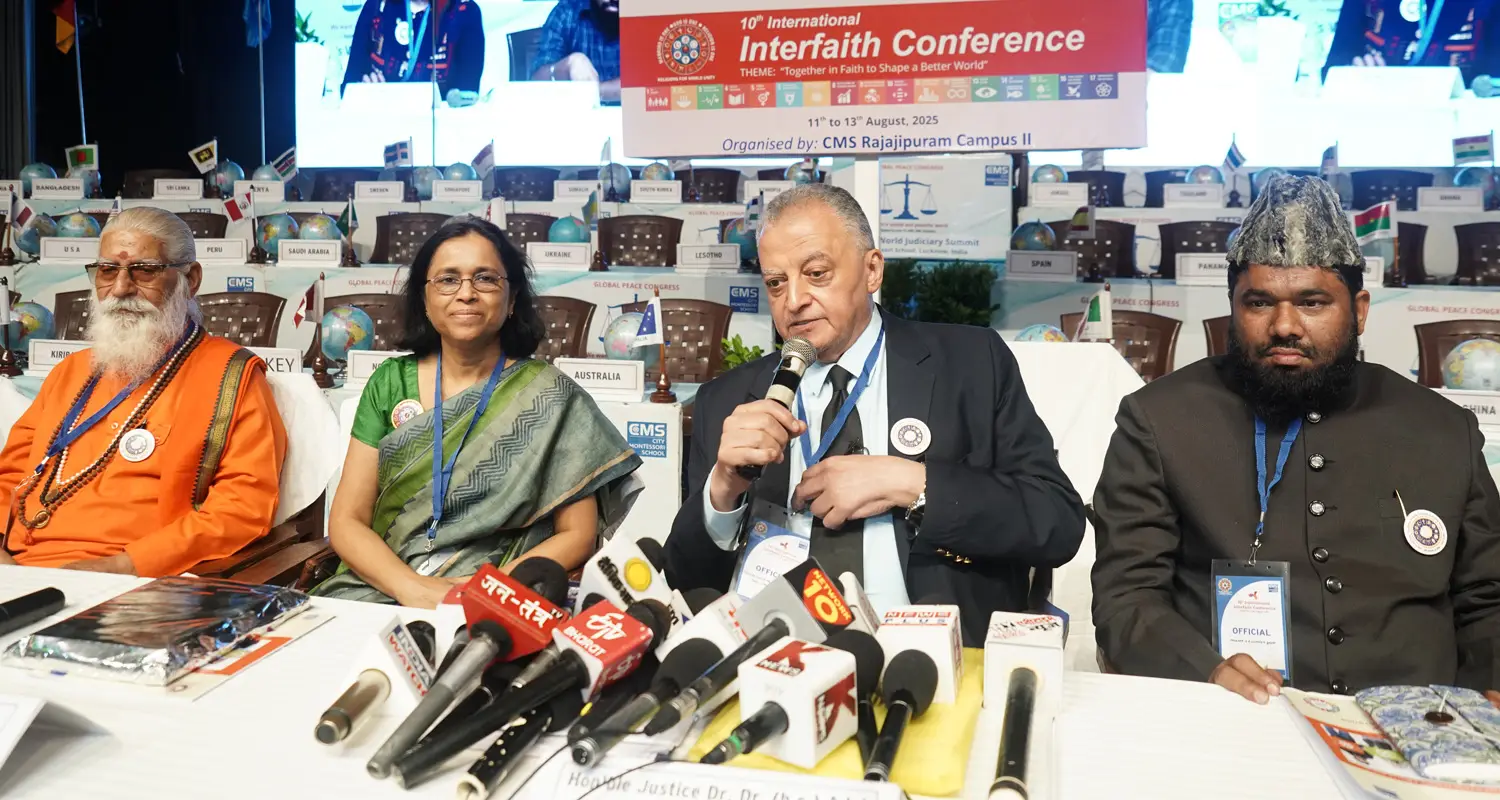
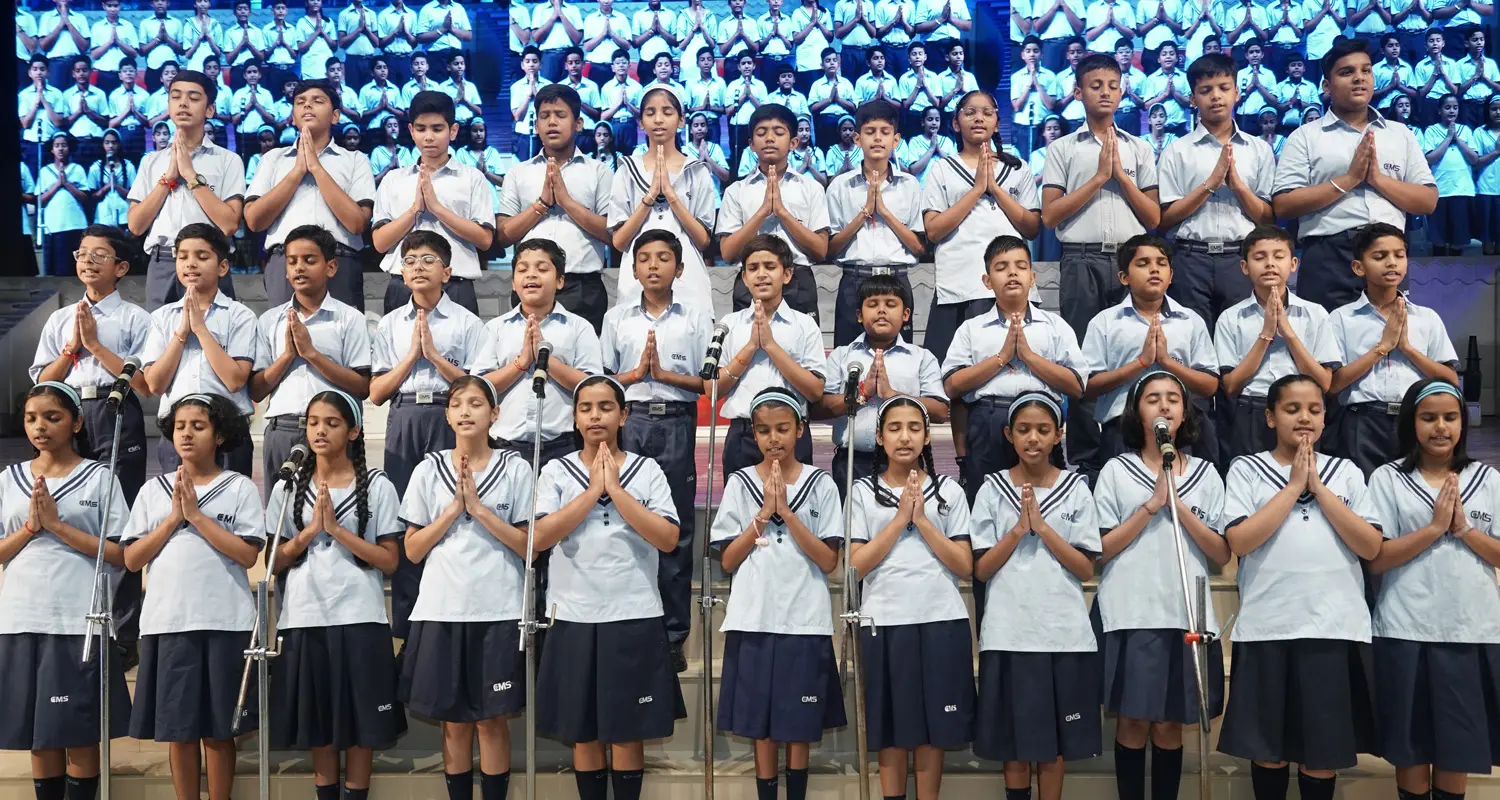
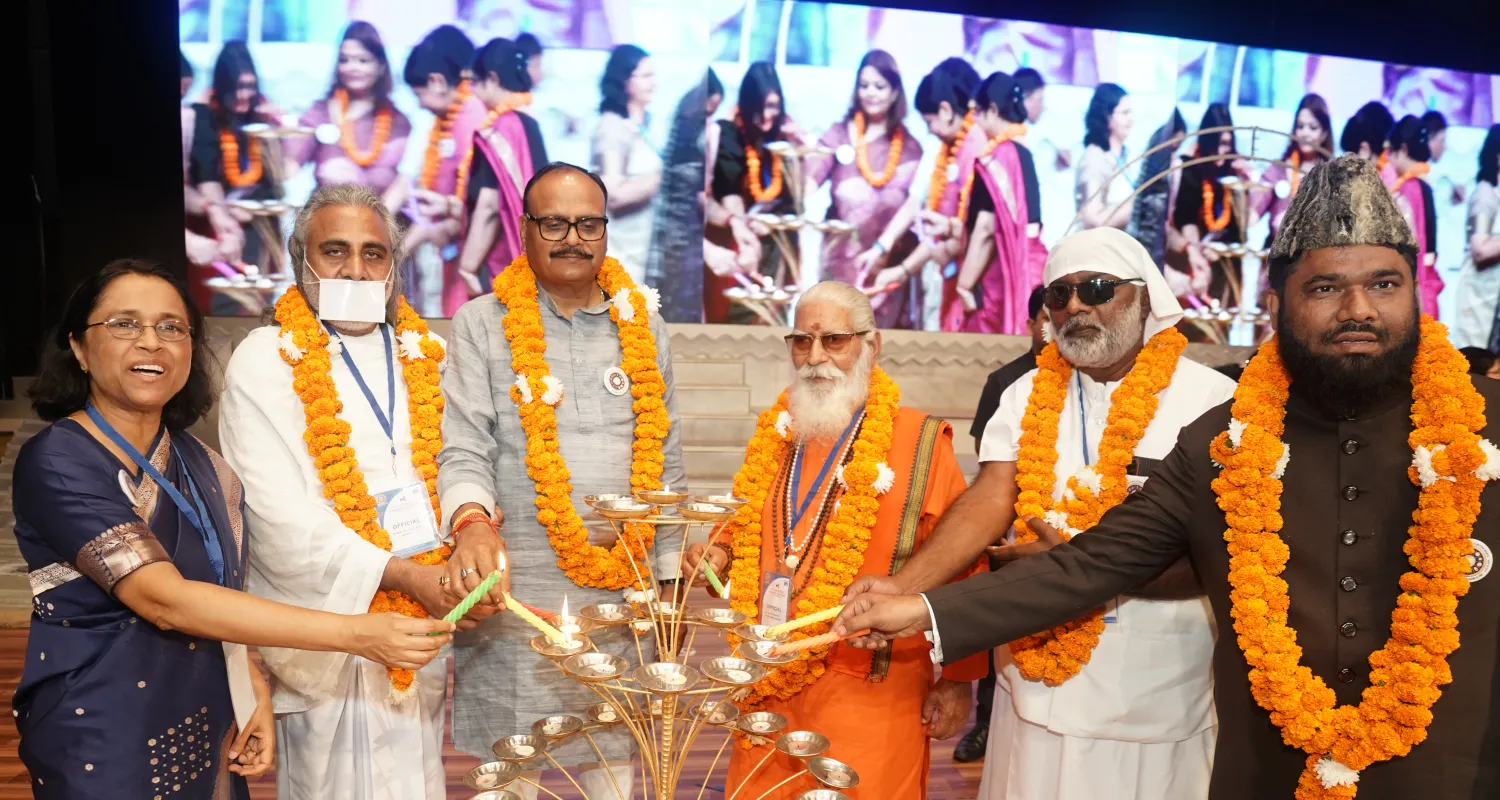
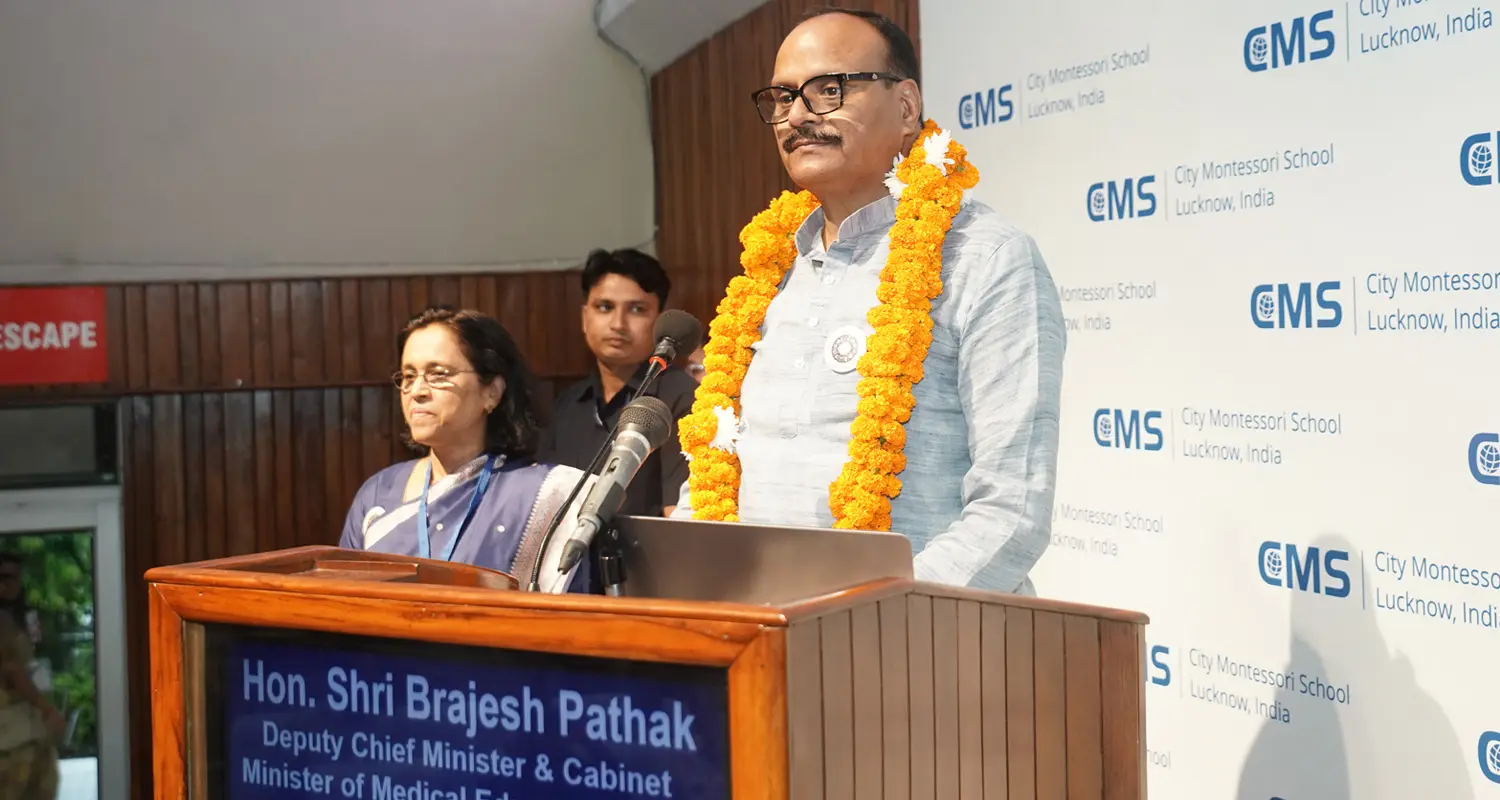
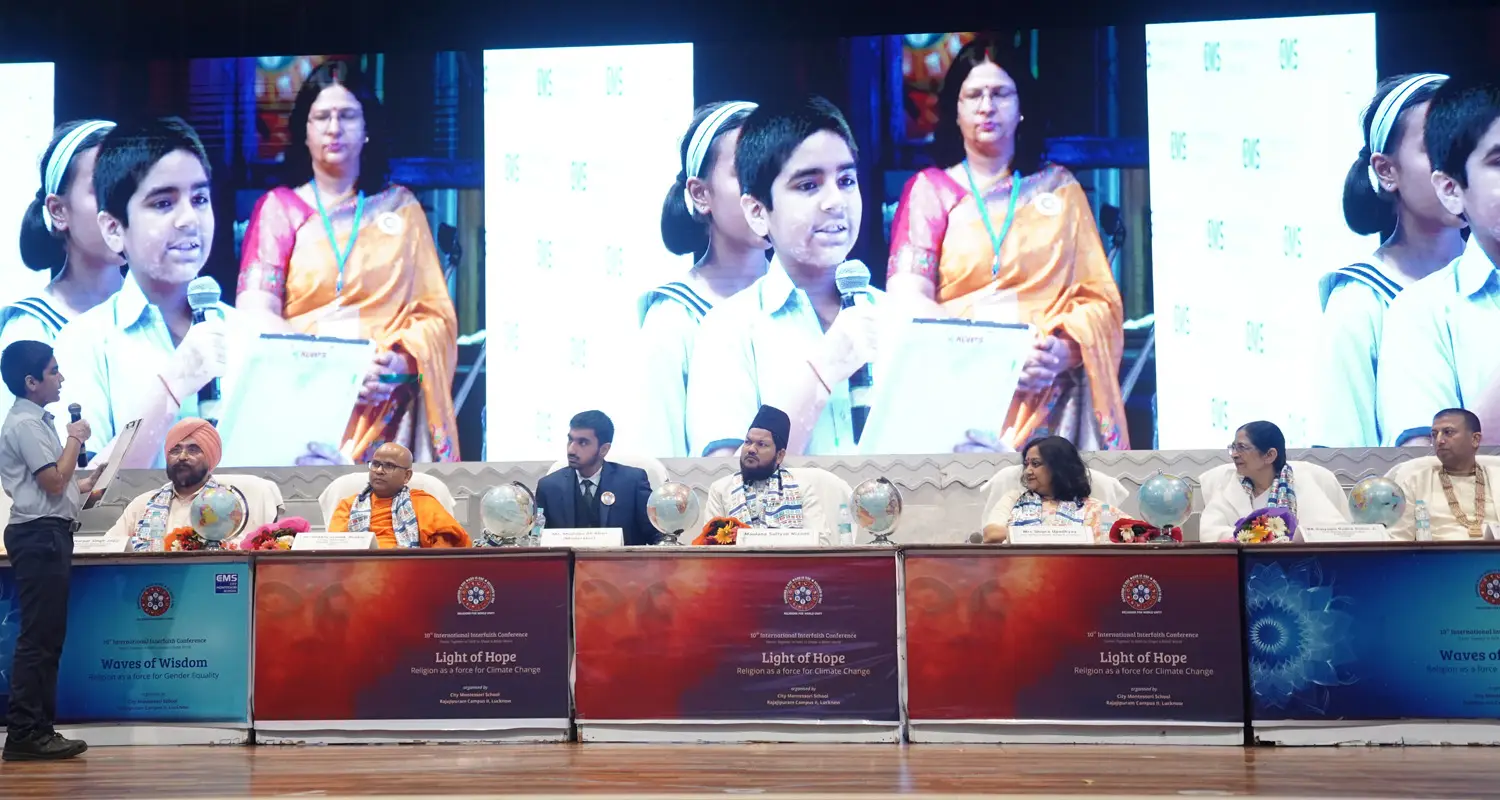
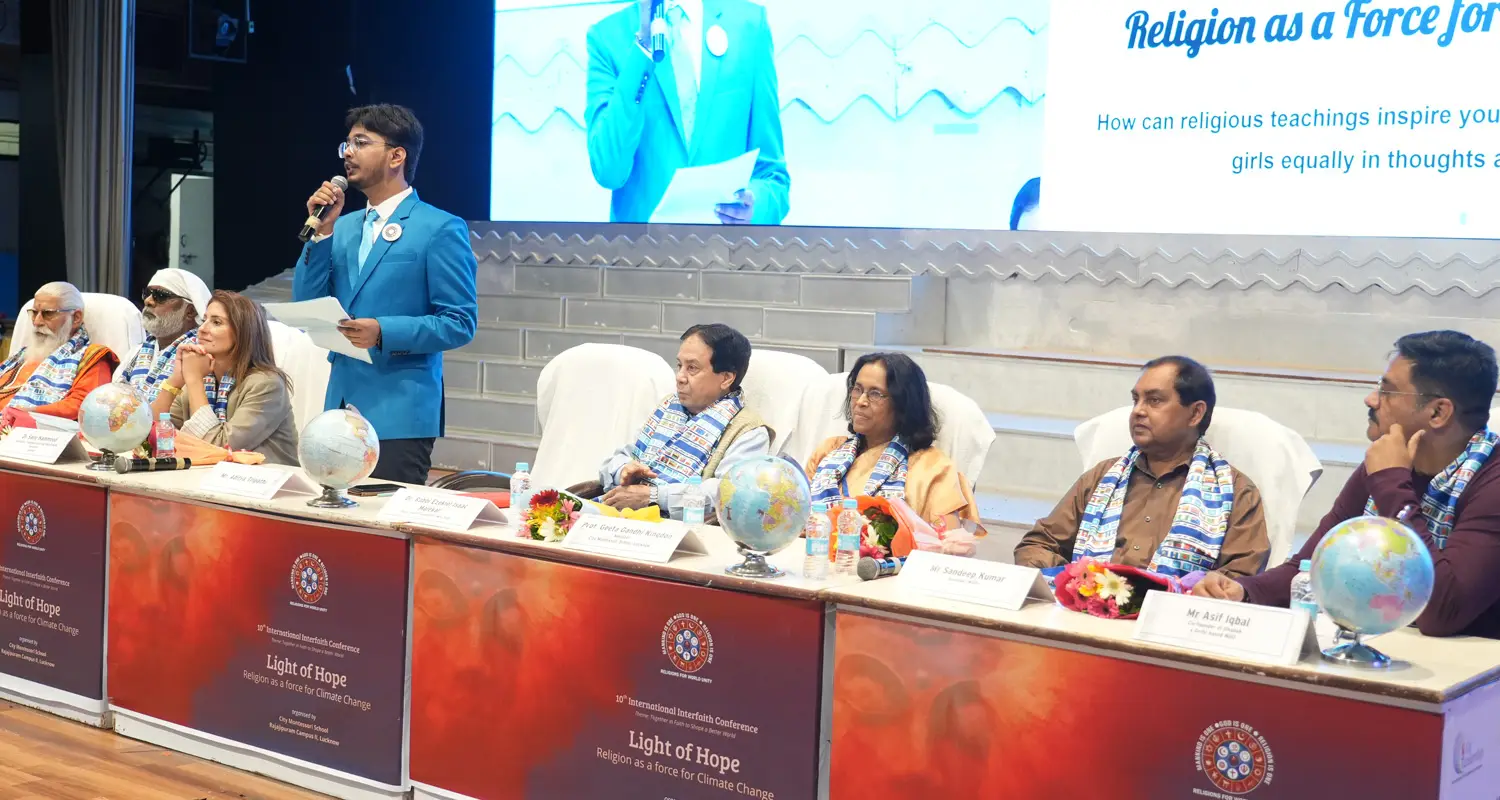
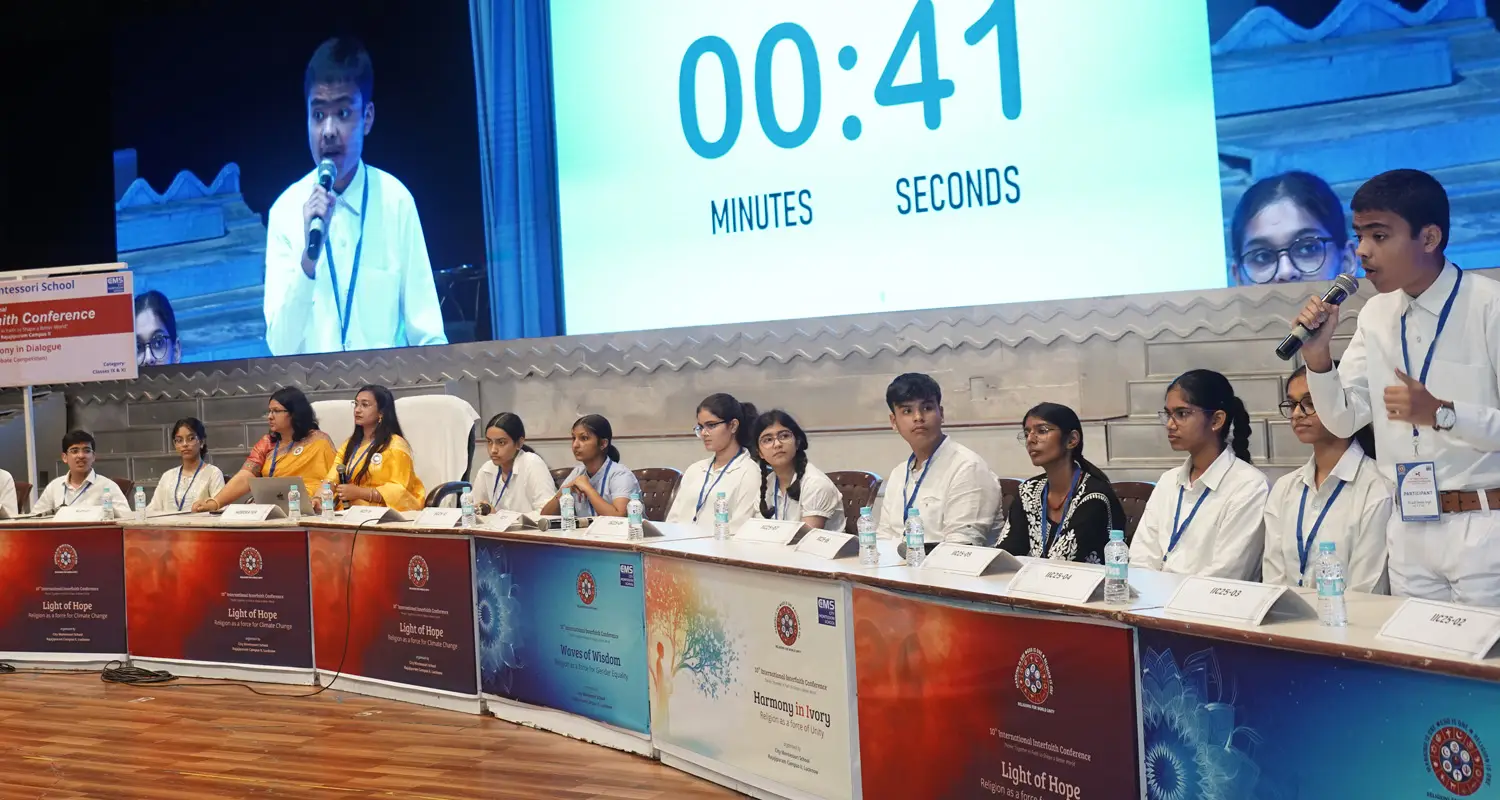
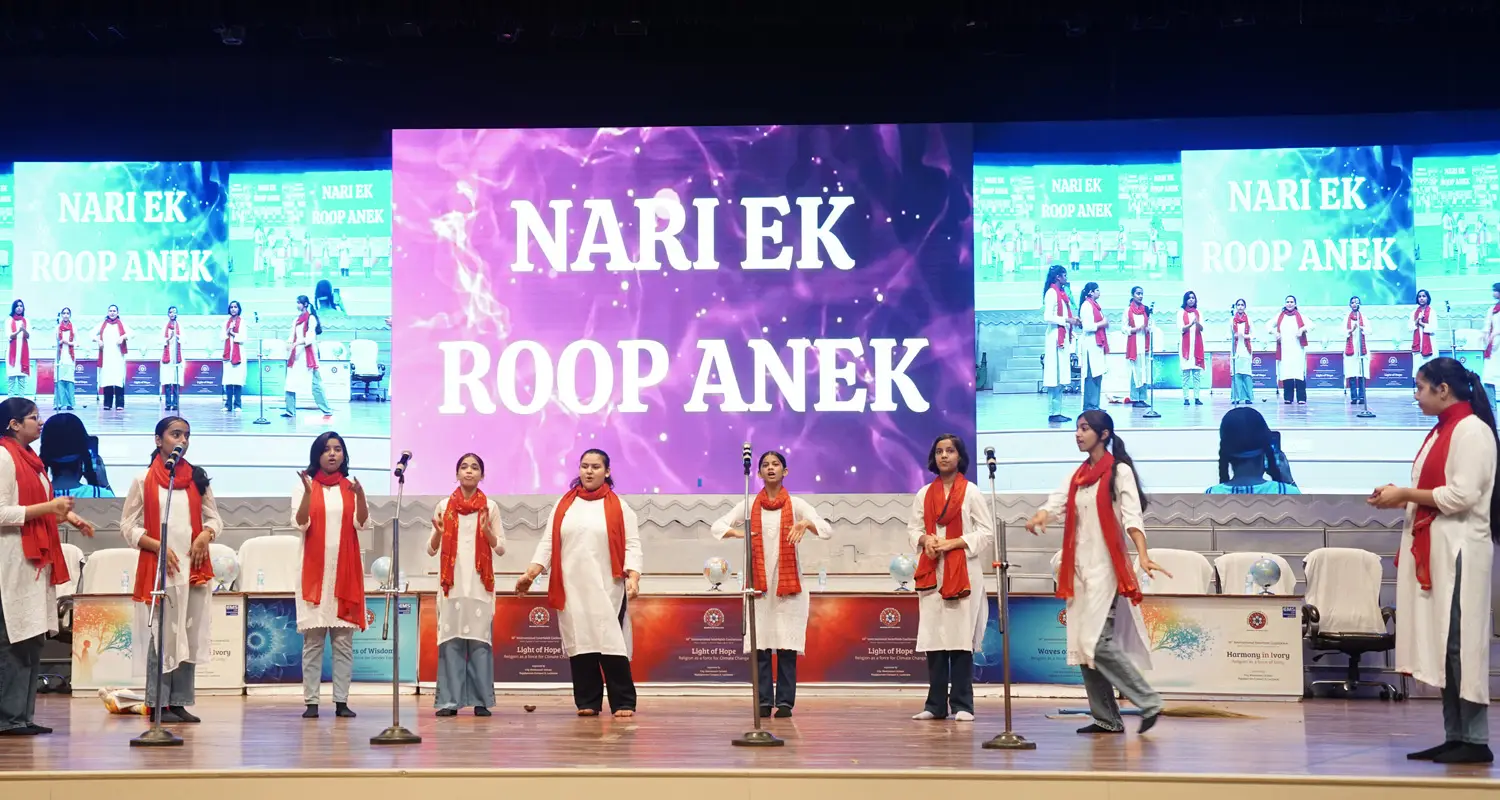
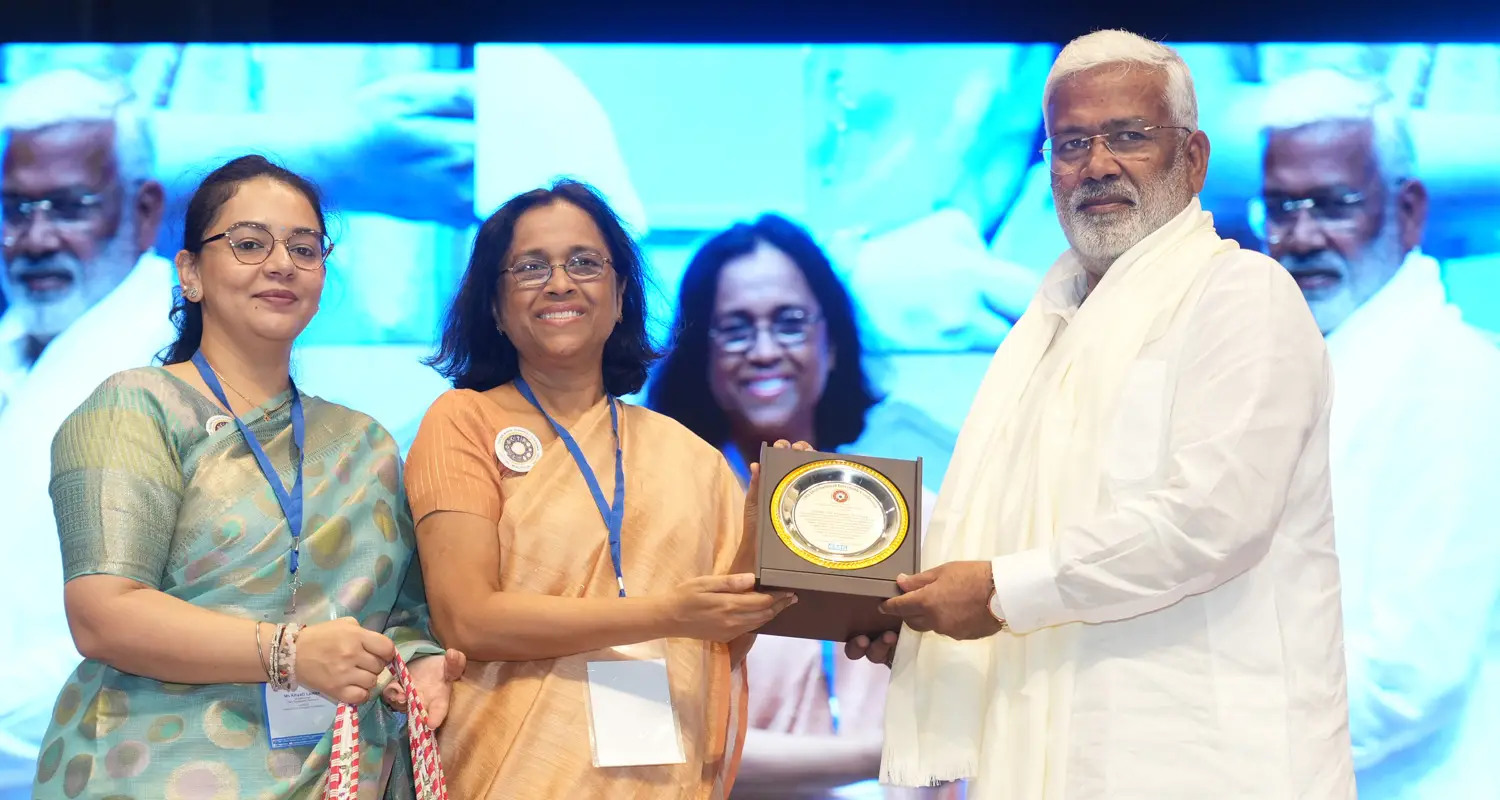
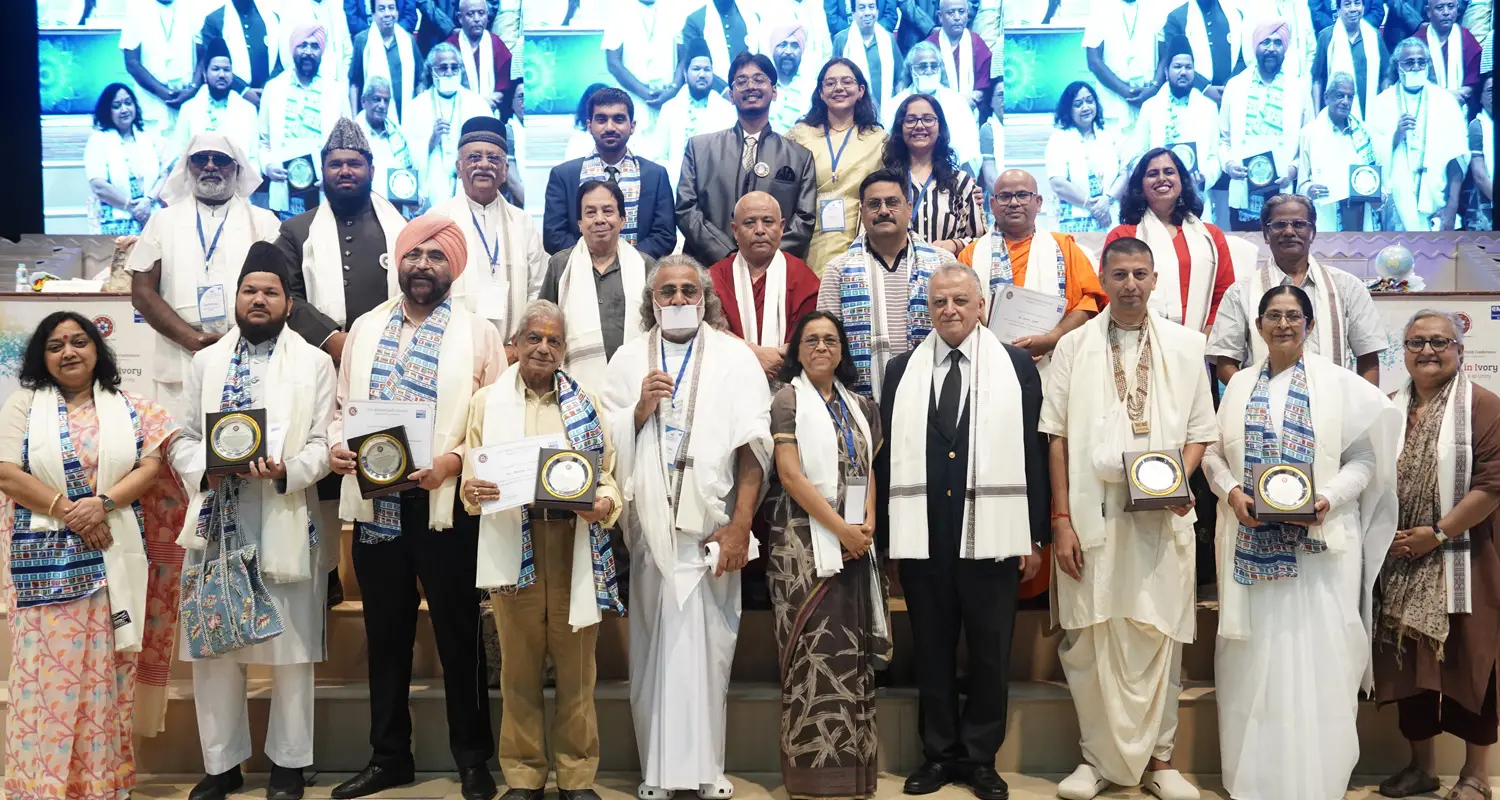
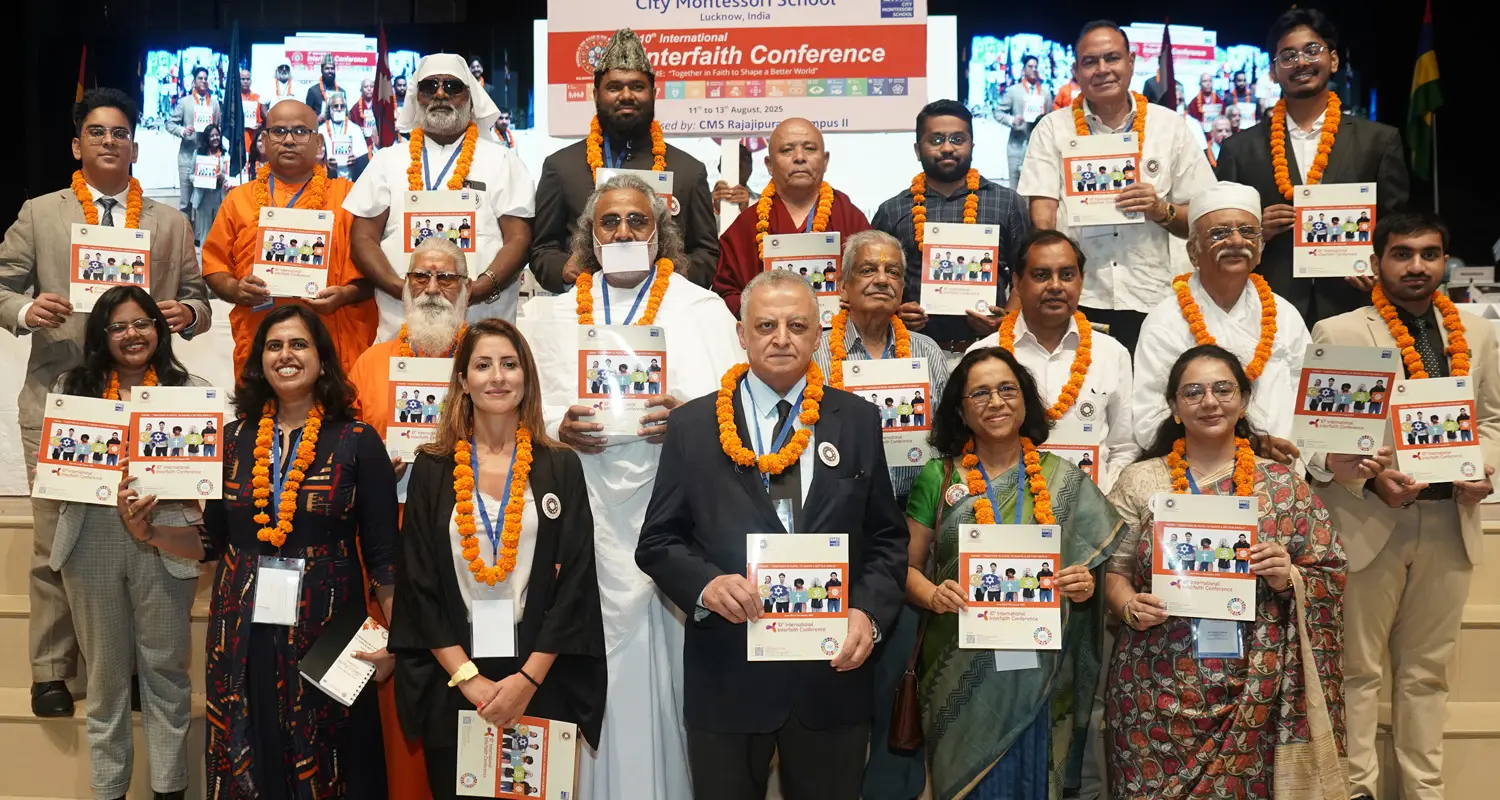
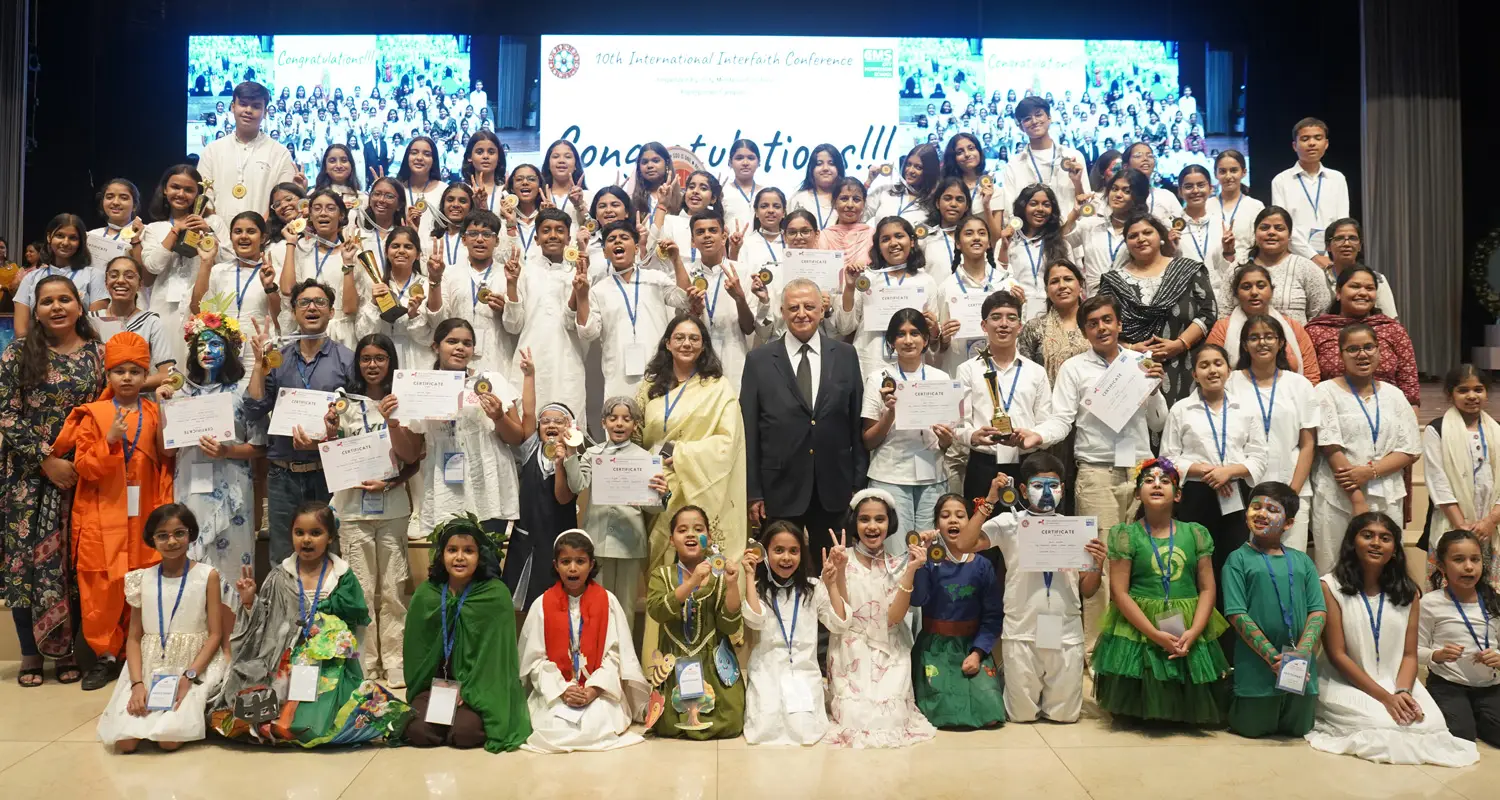
Glimpses from the 2025 edition of the International Interfaith Conference