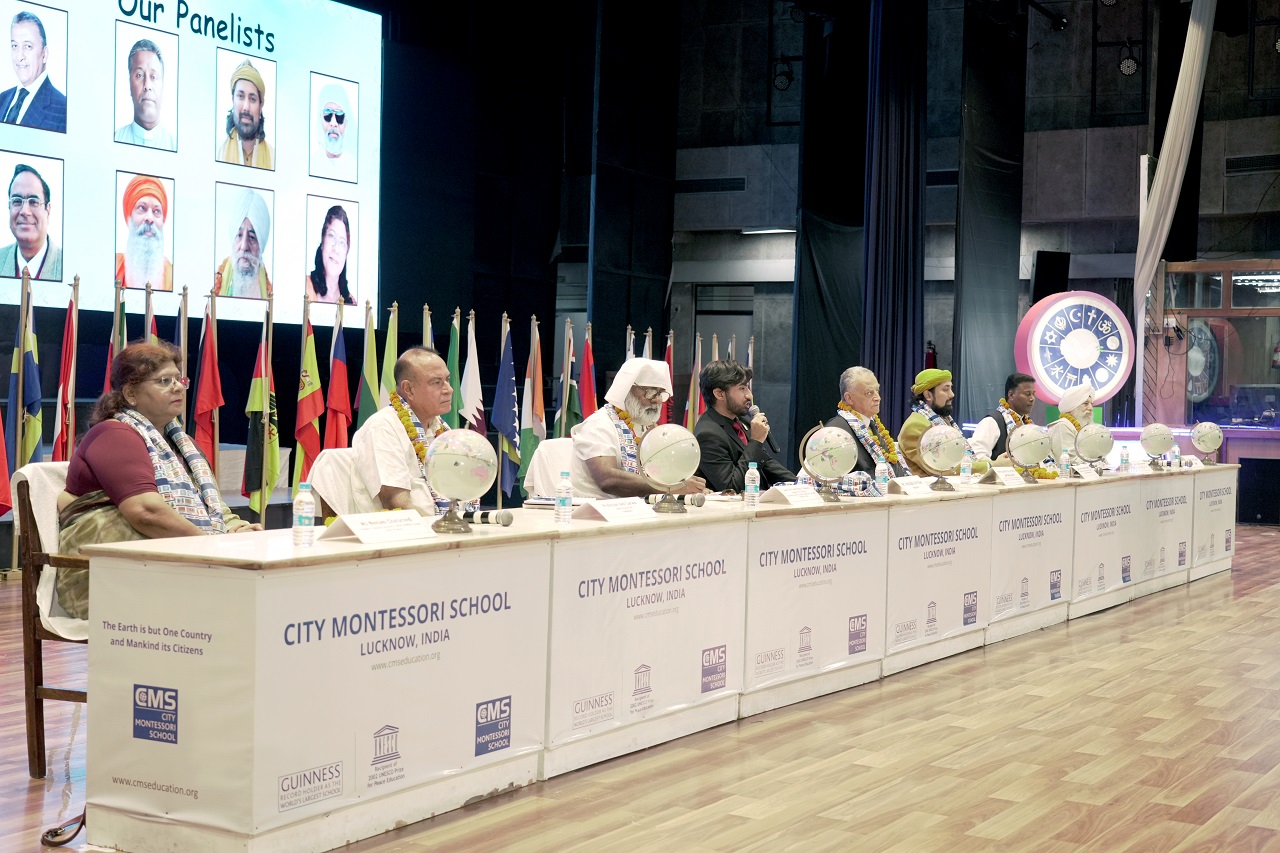
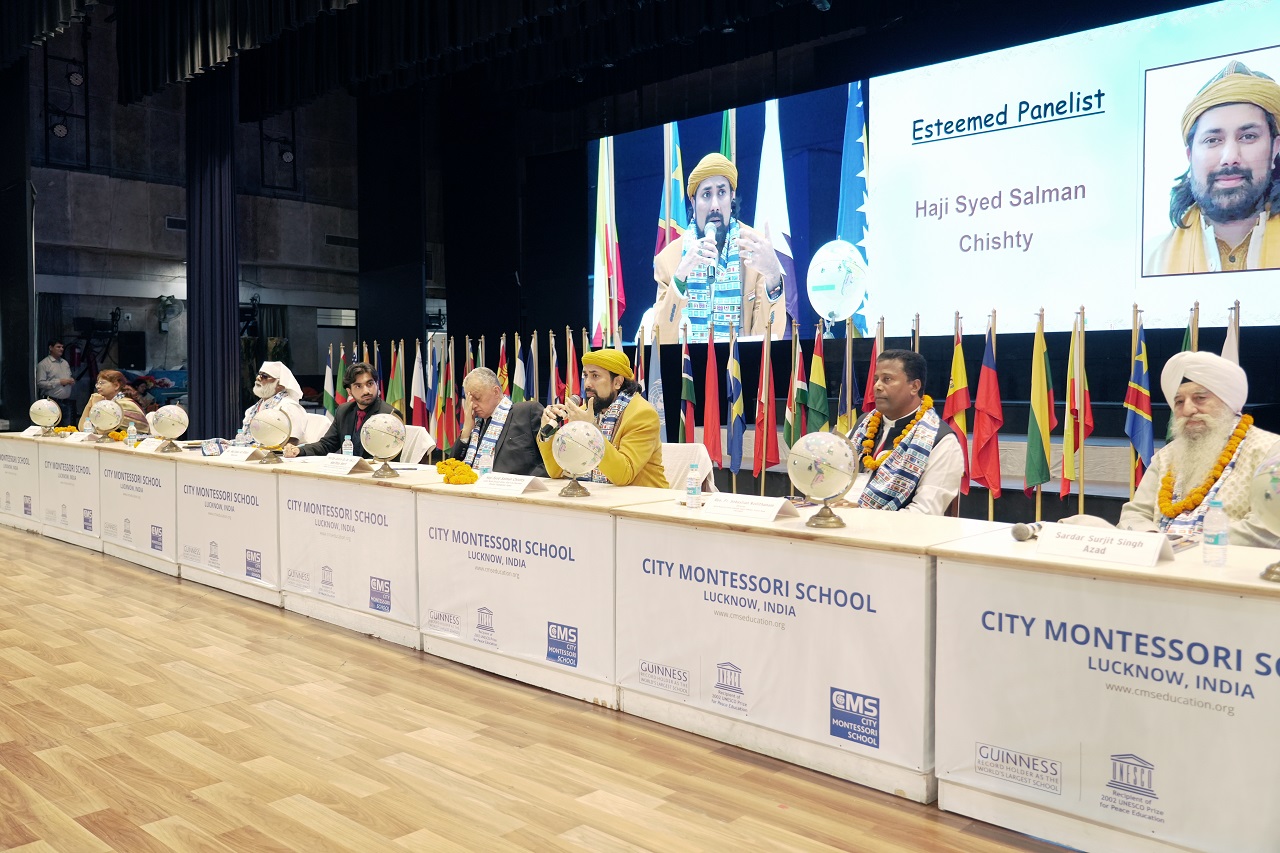
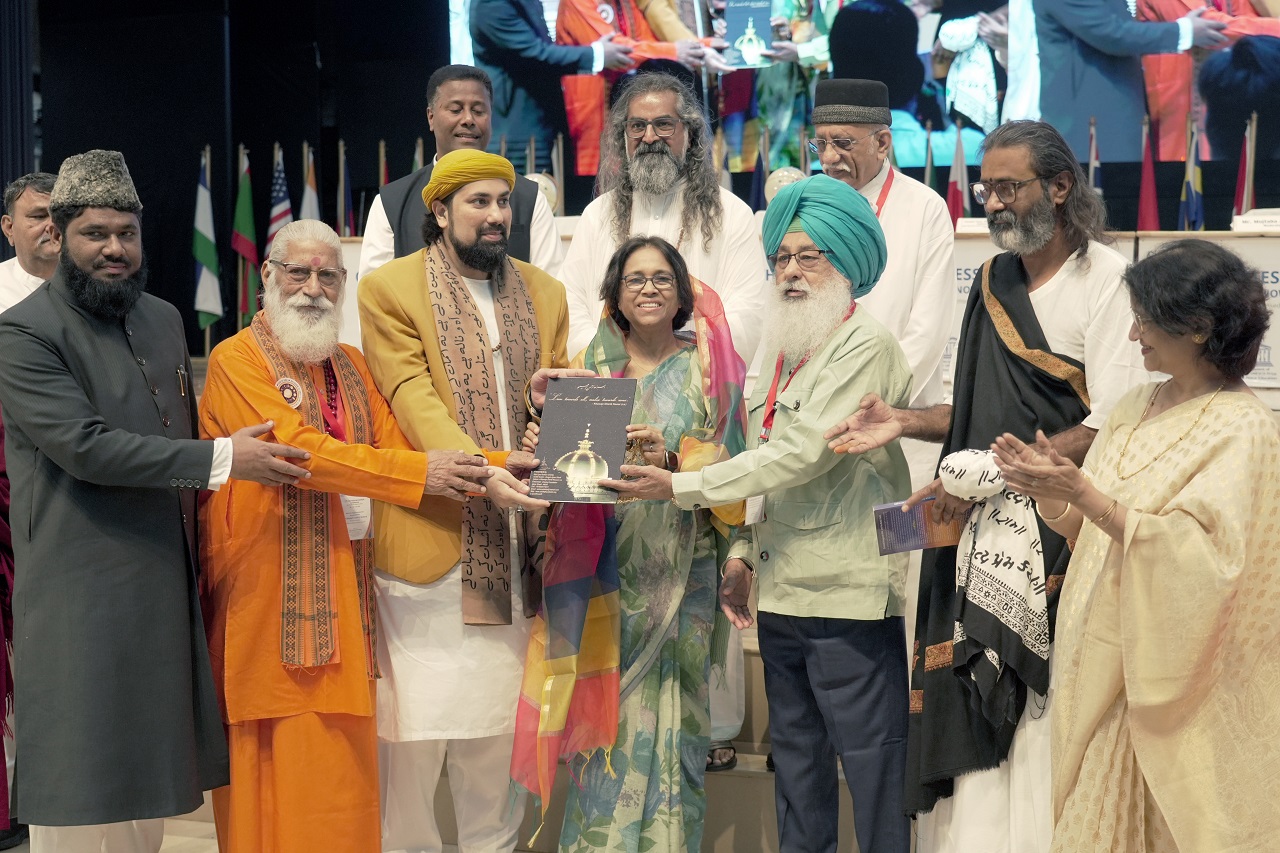
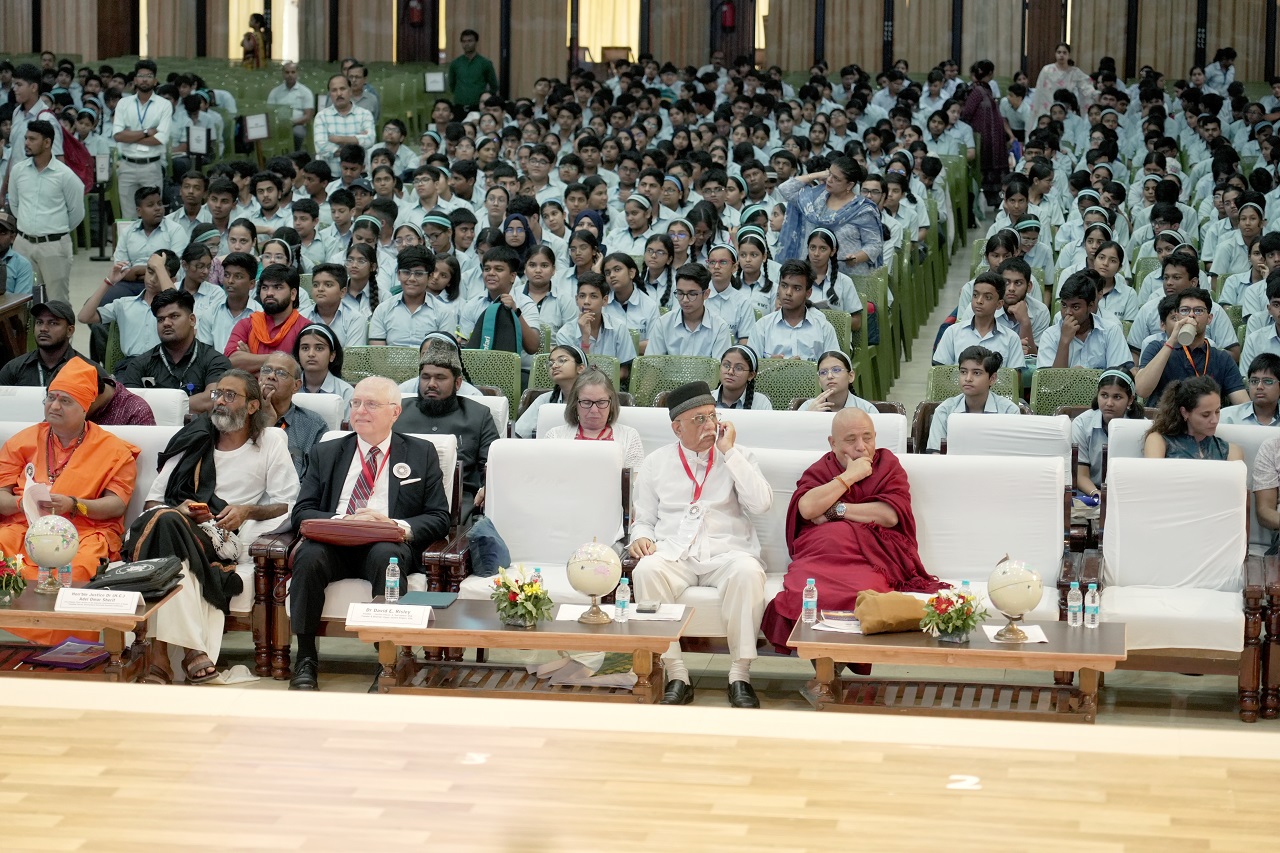
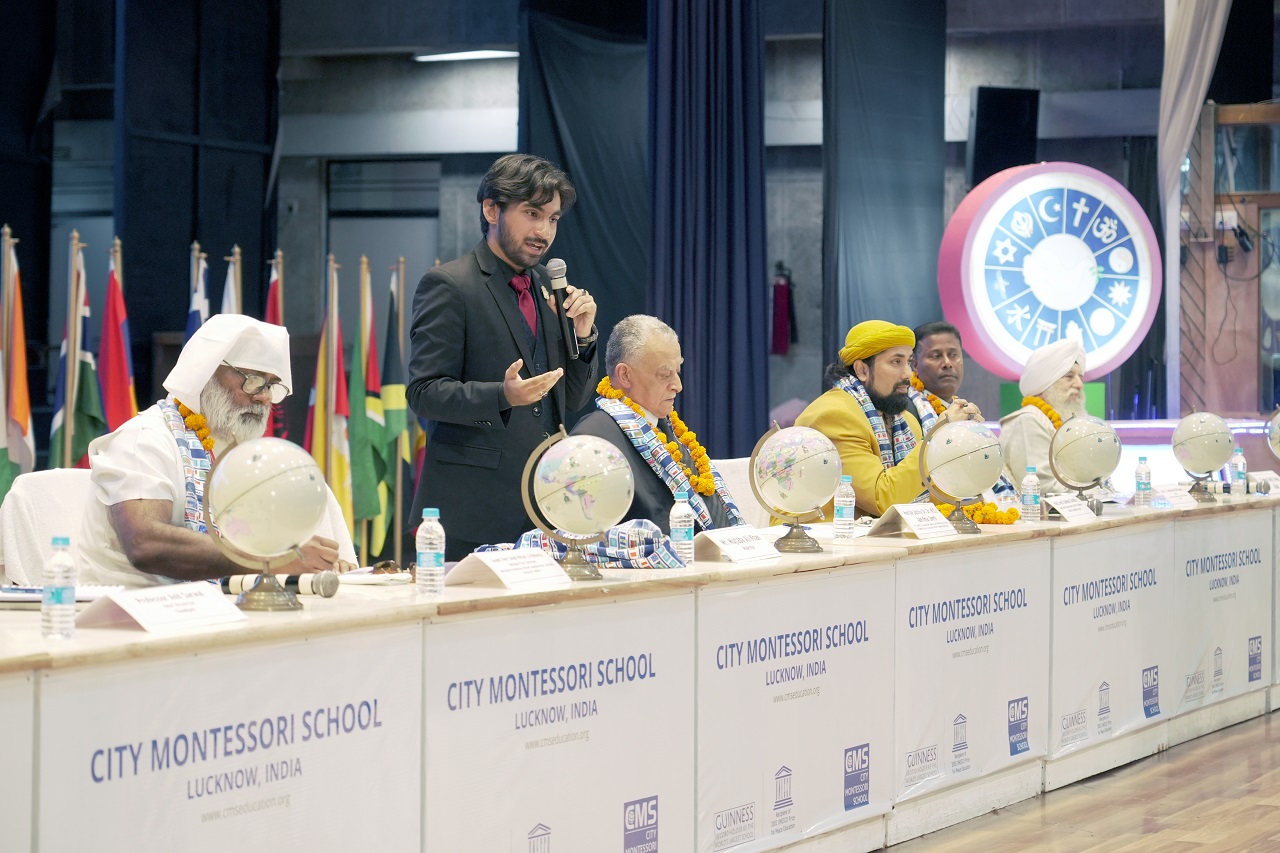
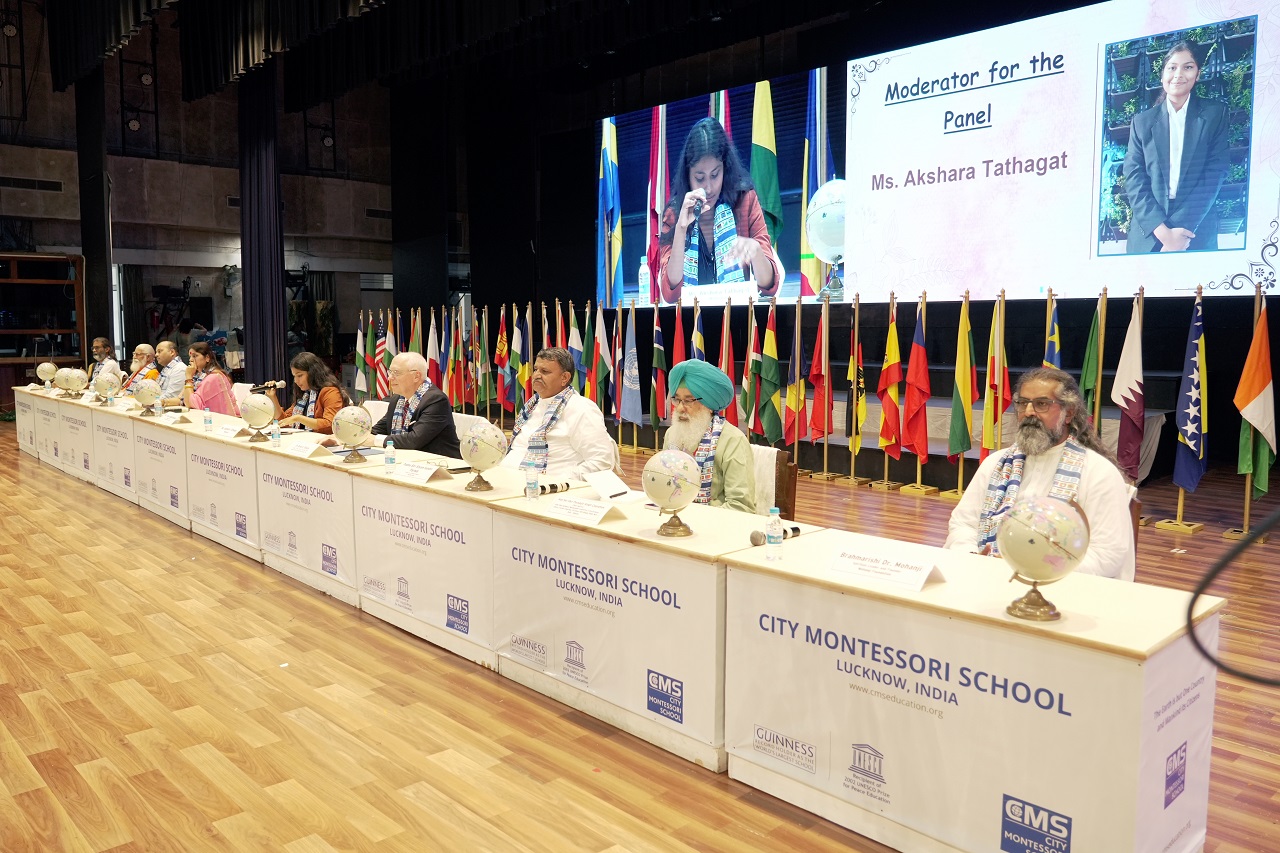
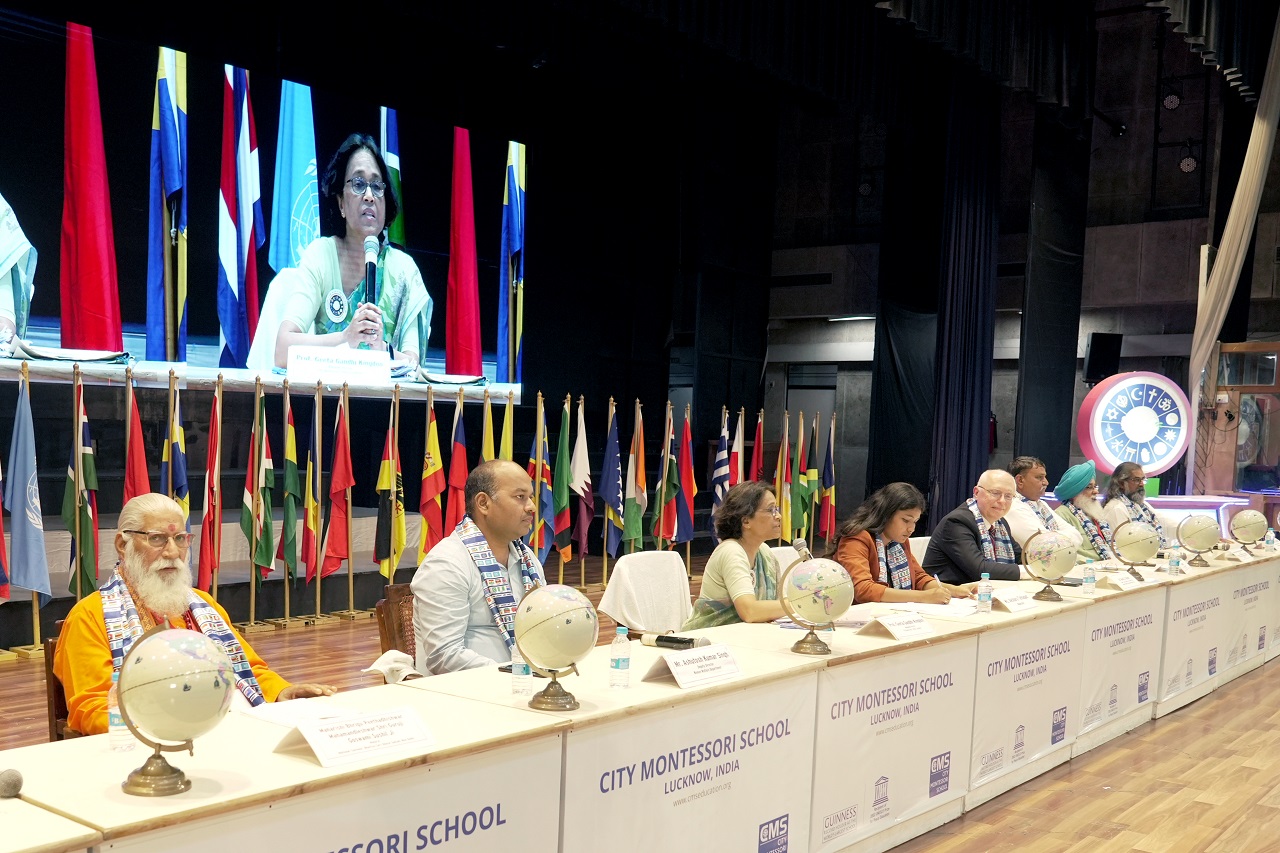
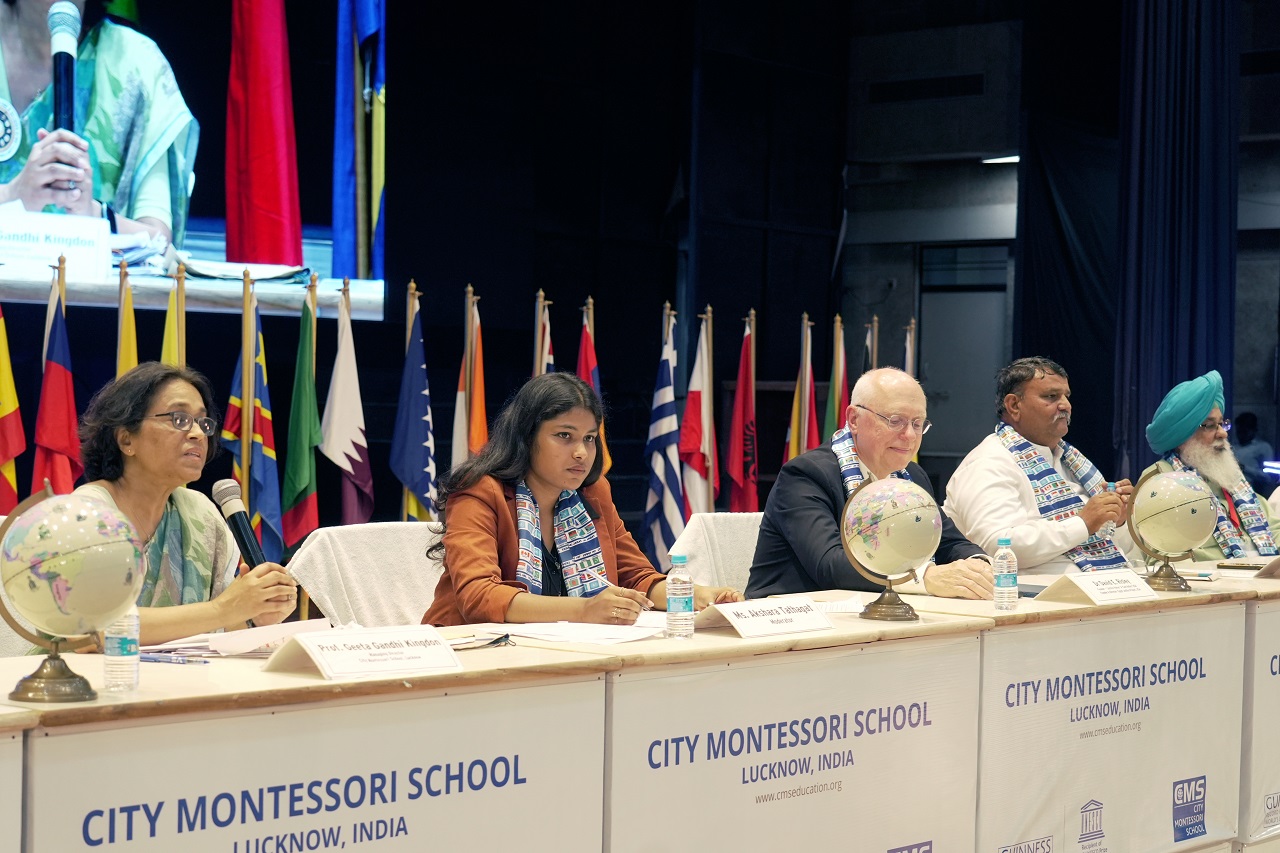
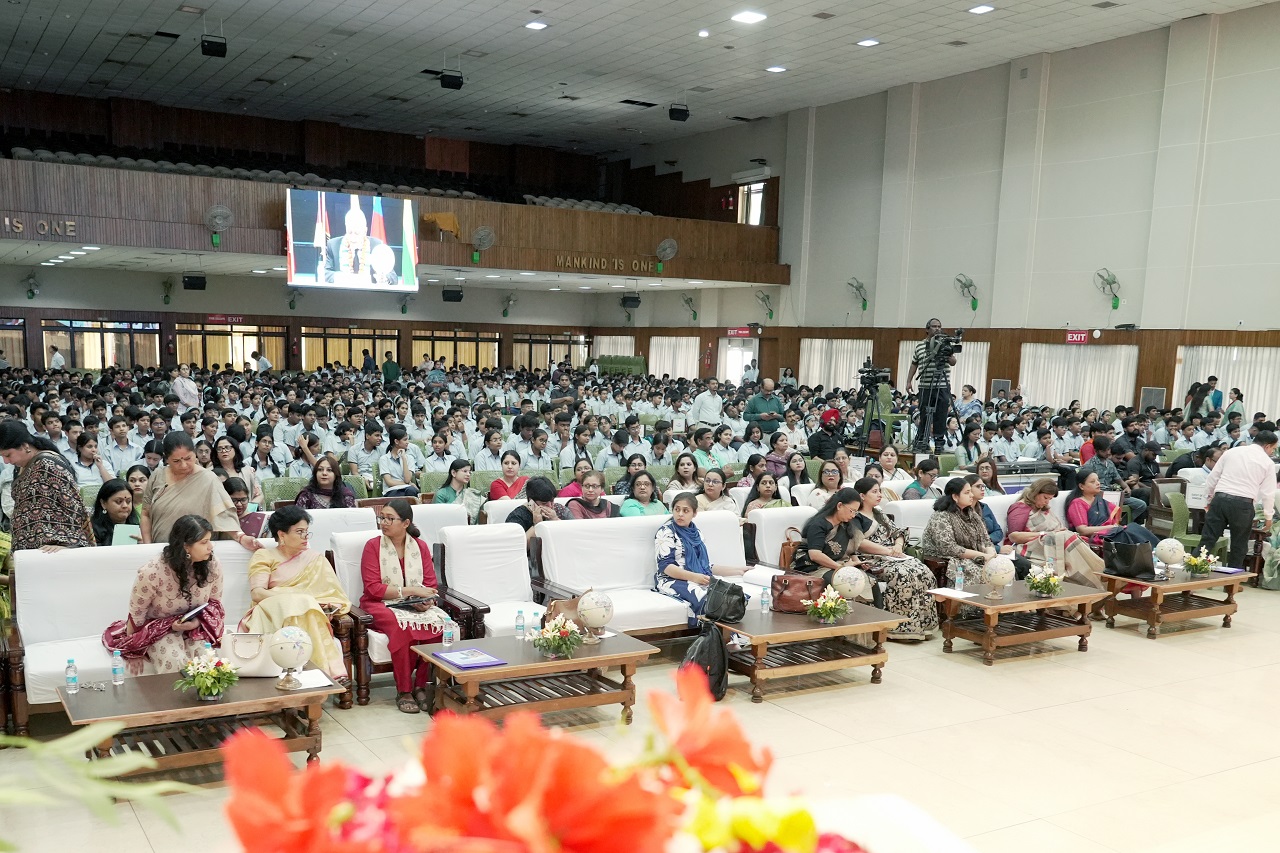
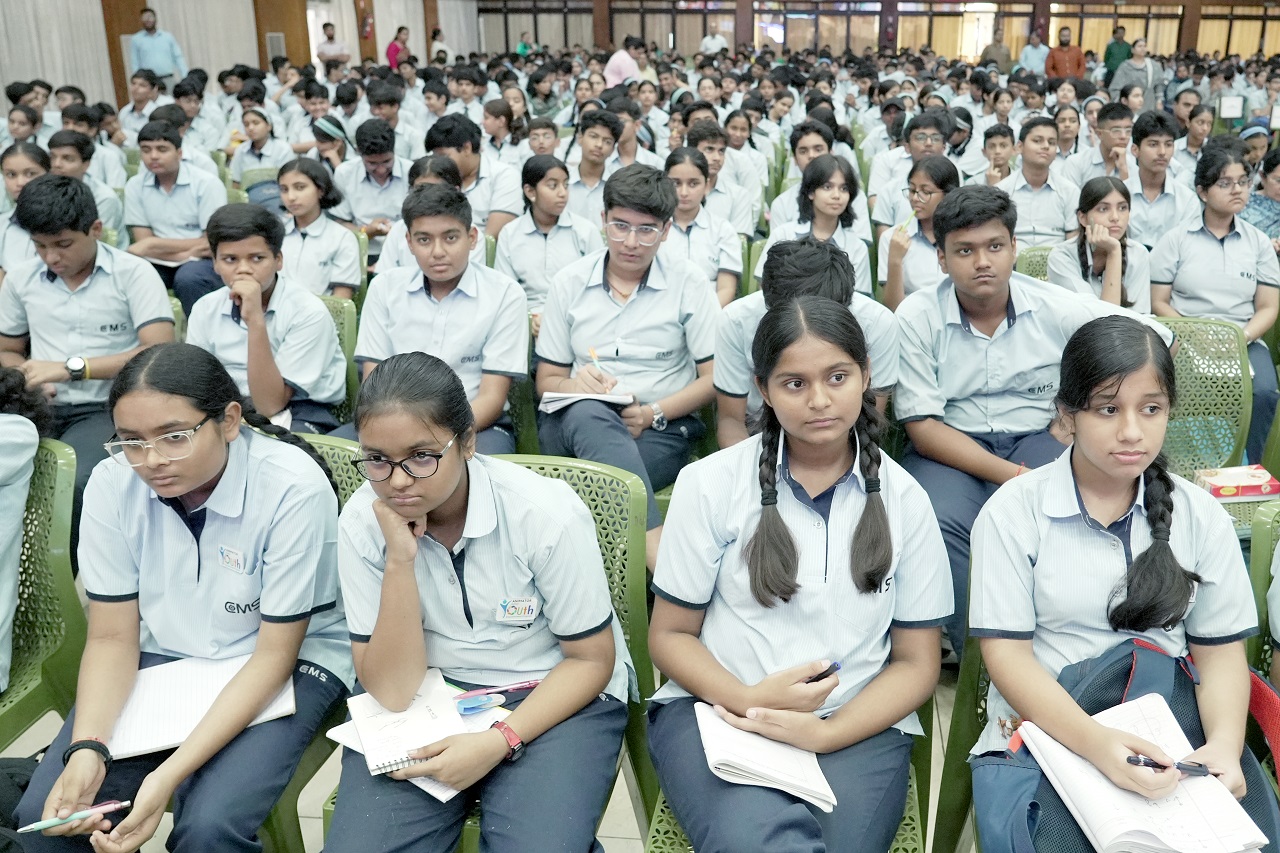
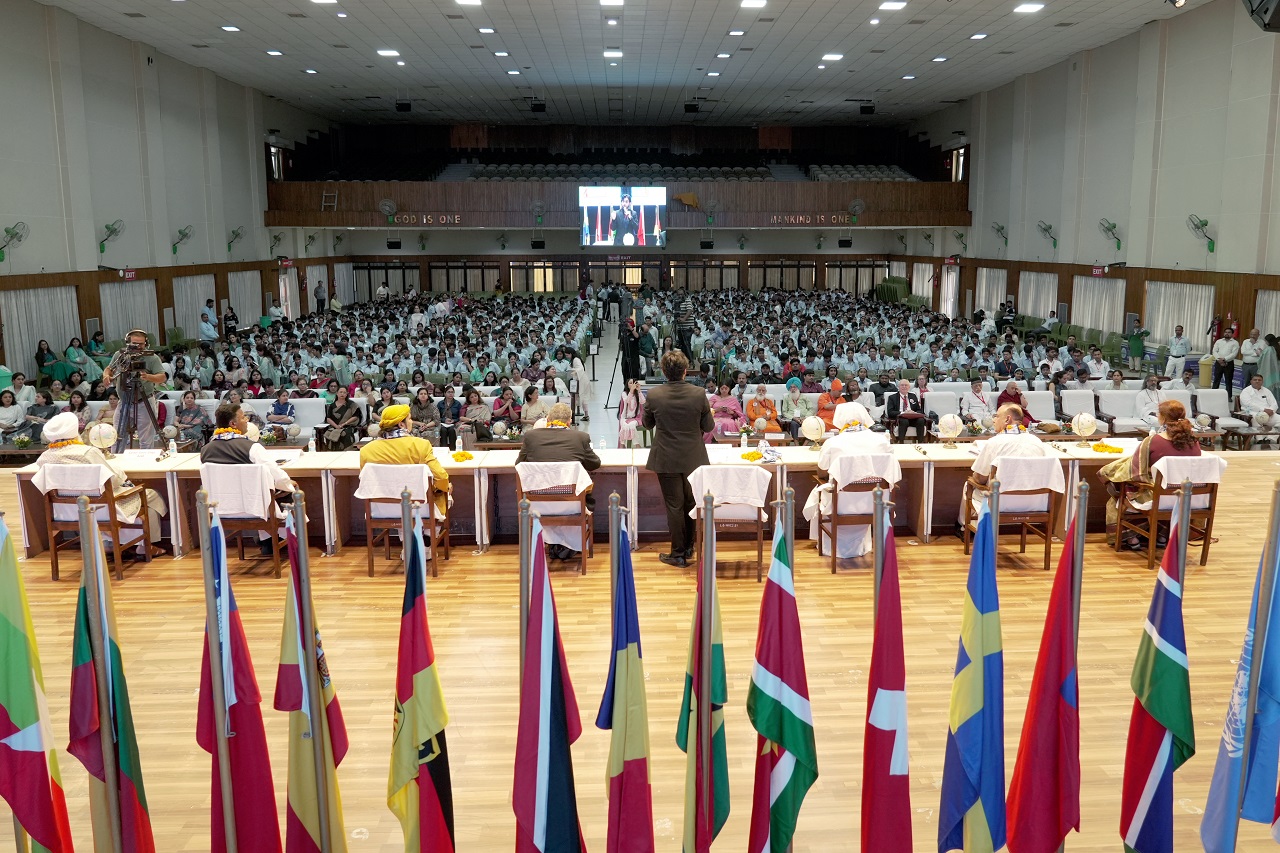
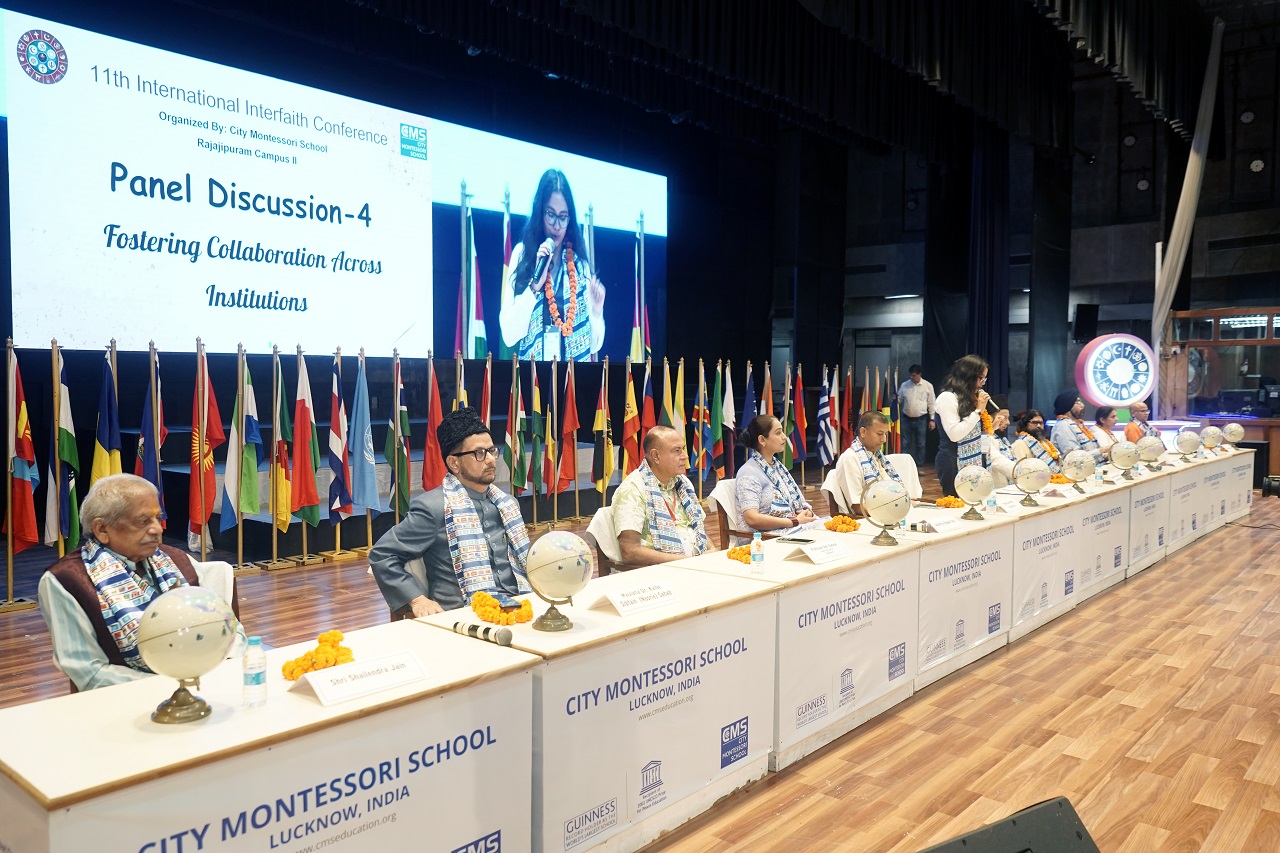
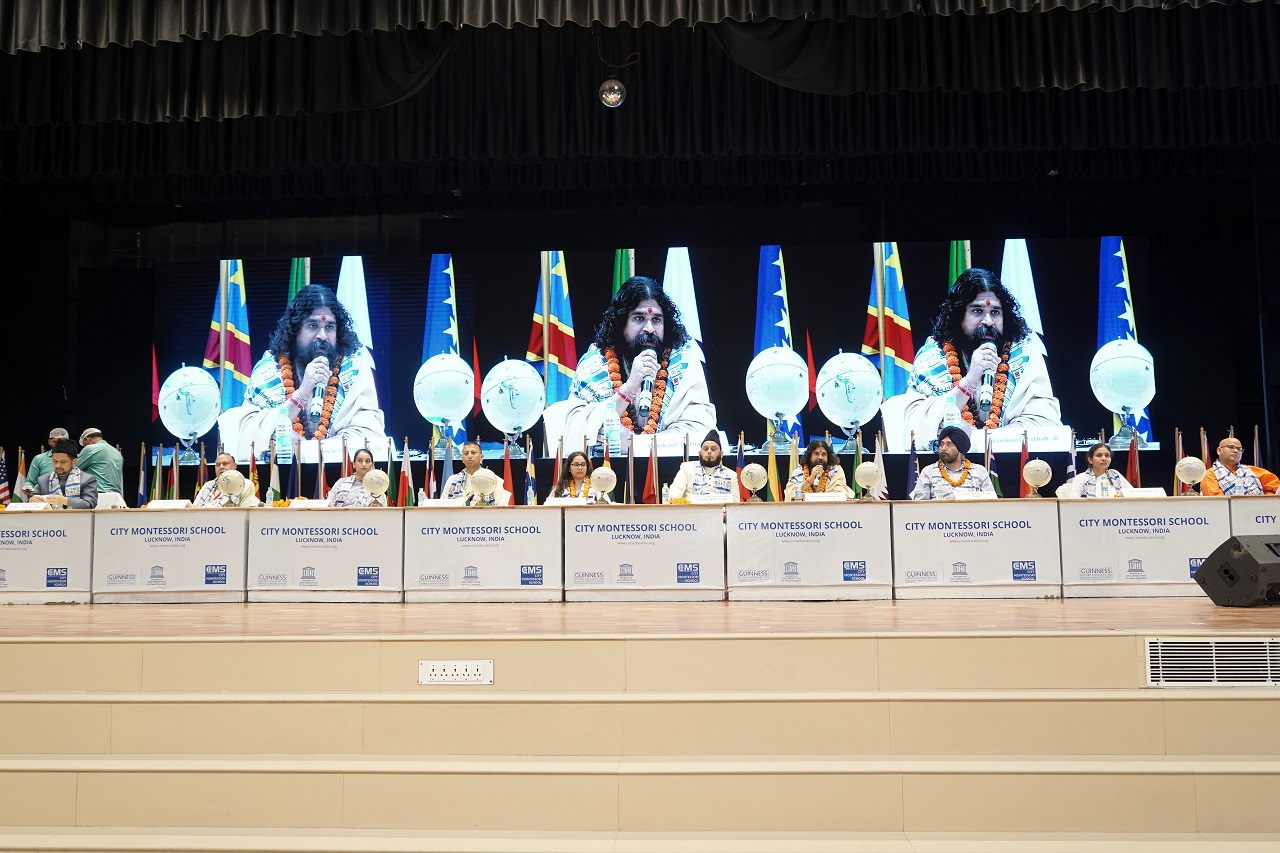
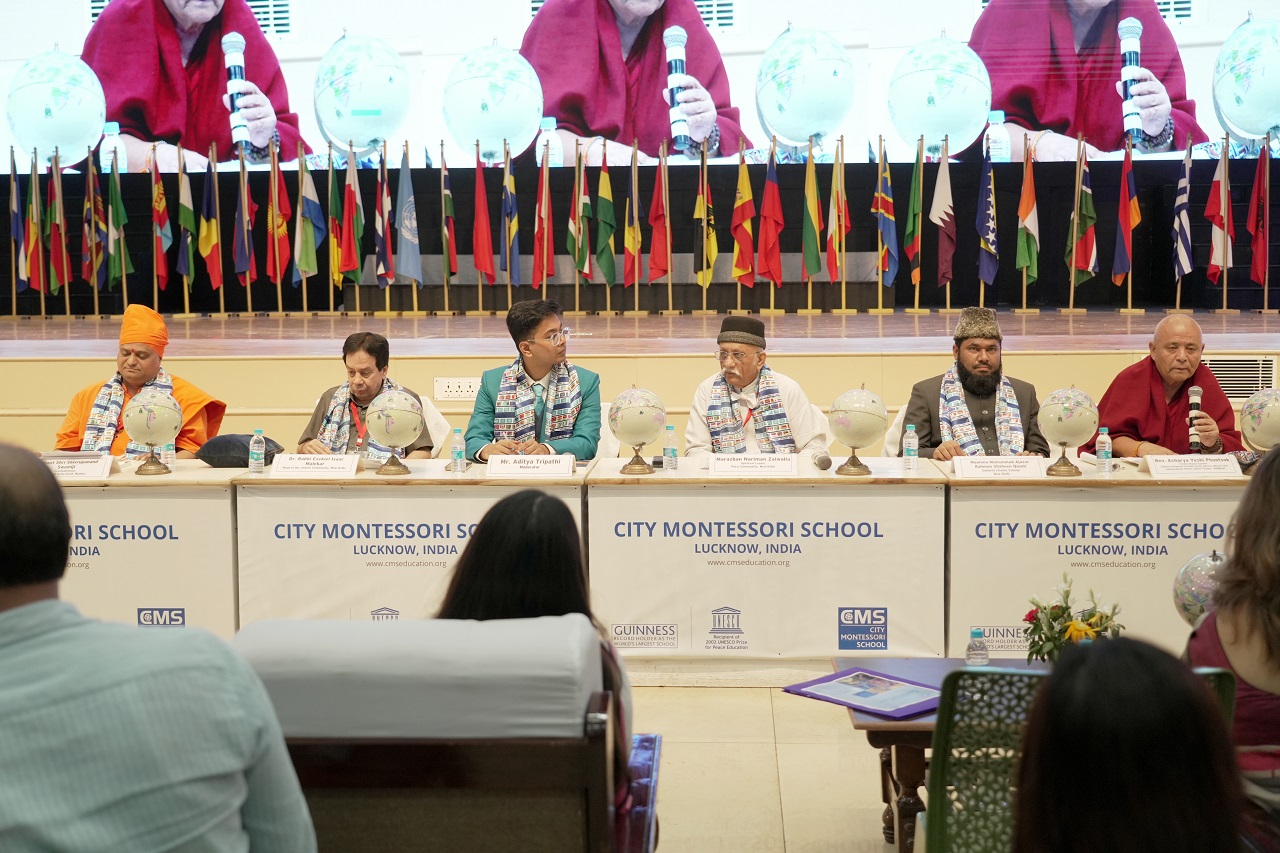
Glimpses of 11th Interfaith-Day 2

Day 2: Panel Discussions

11th International Interfaith Conference 2026 – Day 2 Highlights

Global Leaders Call for Faith-Driven Action on Gender Equality

The second day of the 11th International Interfaith Conference 2026, organised by City Montessori School (CMS) Rajajipuram Campus II on 25th July 2026, brought together faith leaders, policymakers, educators, social reformers and youth representatives for a day of thoughtful dialogue on advancing gender equality through faith, education and collaborative leadership.

The day’s discussions built upon the Conference theme, “Reimagining Our World Together: Placing Gender Equality at the Heart of Humanity,” with participants examining practical solutions for creating a more equitable and inclusive society.

A Meaningful Beginning

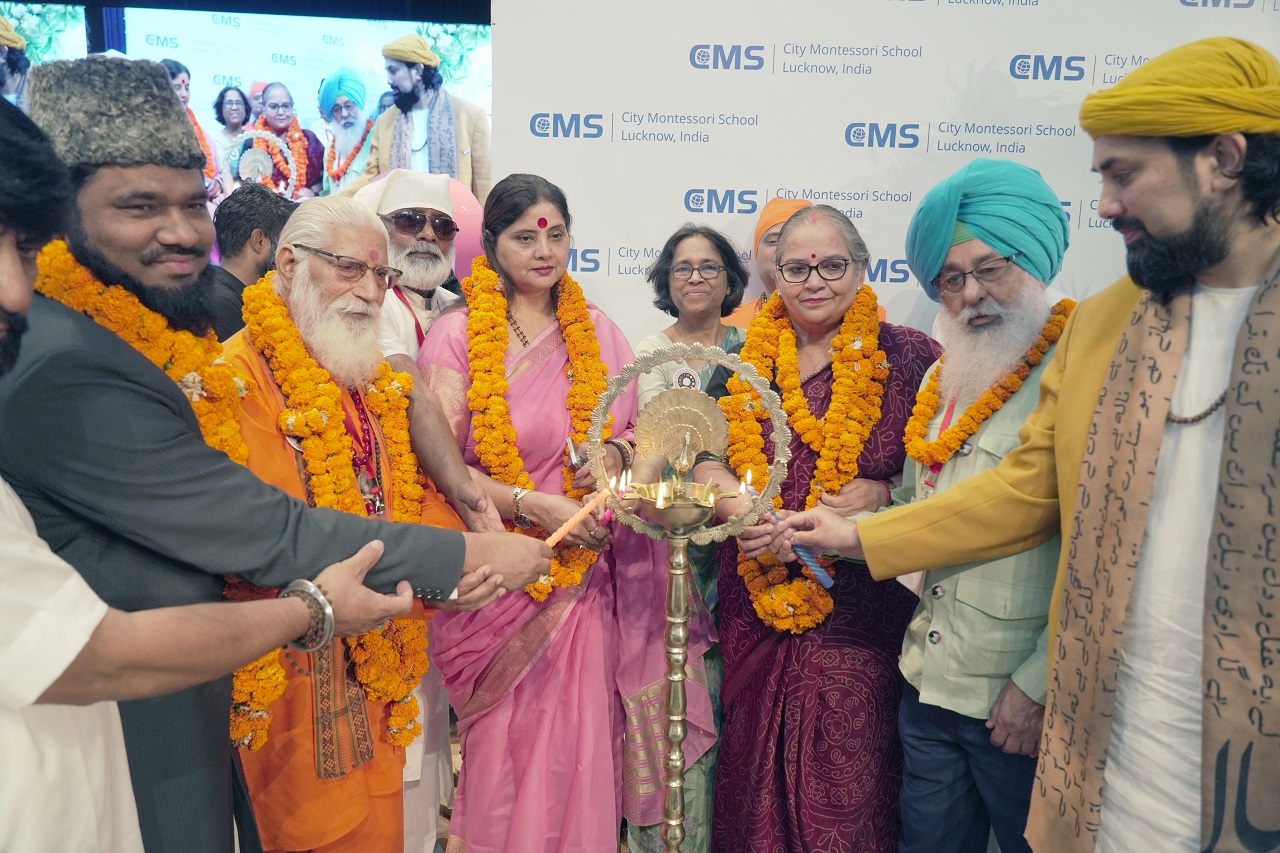
The day’s proceedings commenced with the ceremonial lighting of the lamp by the Chief Guest, Mrs Sushma Kharkwal, Hon’ble Mayor of Lucknow.

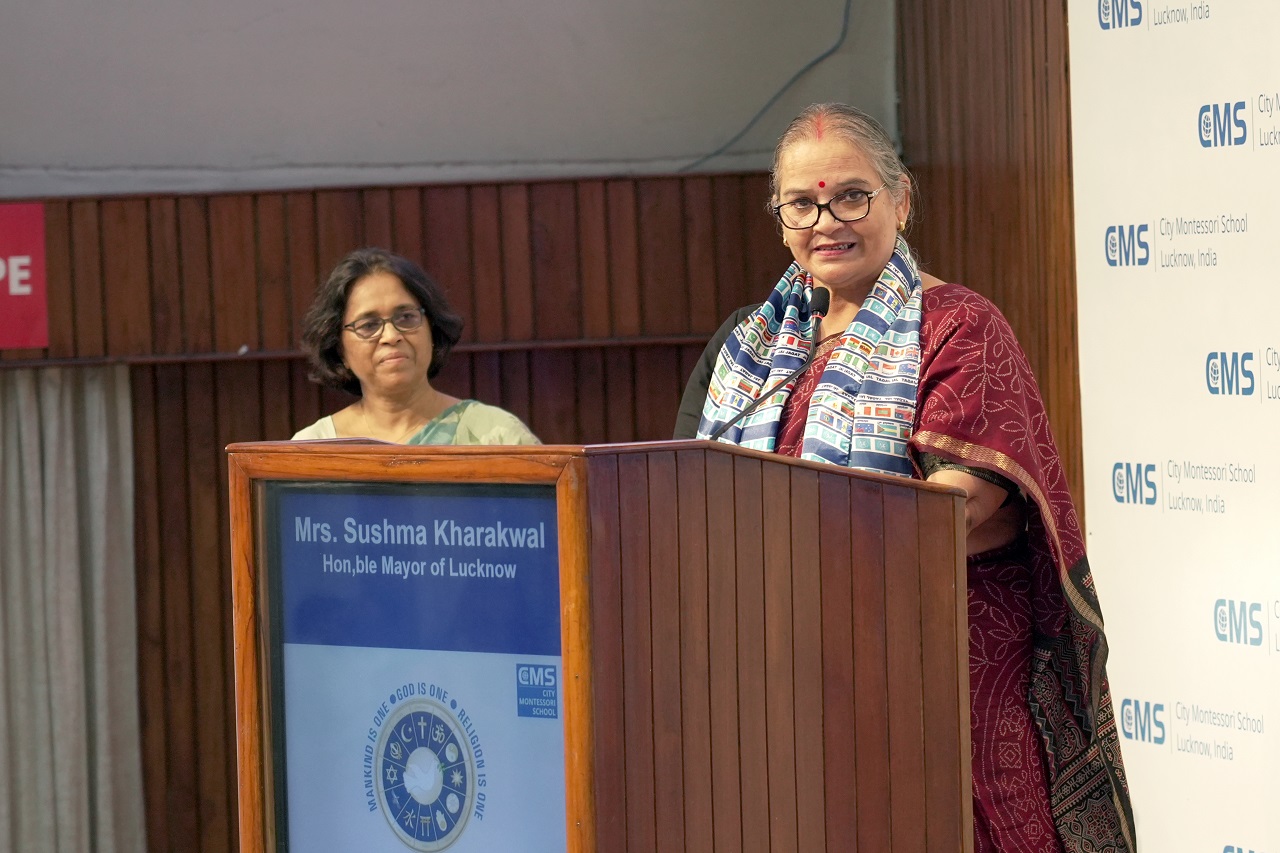
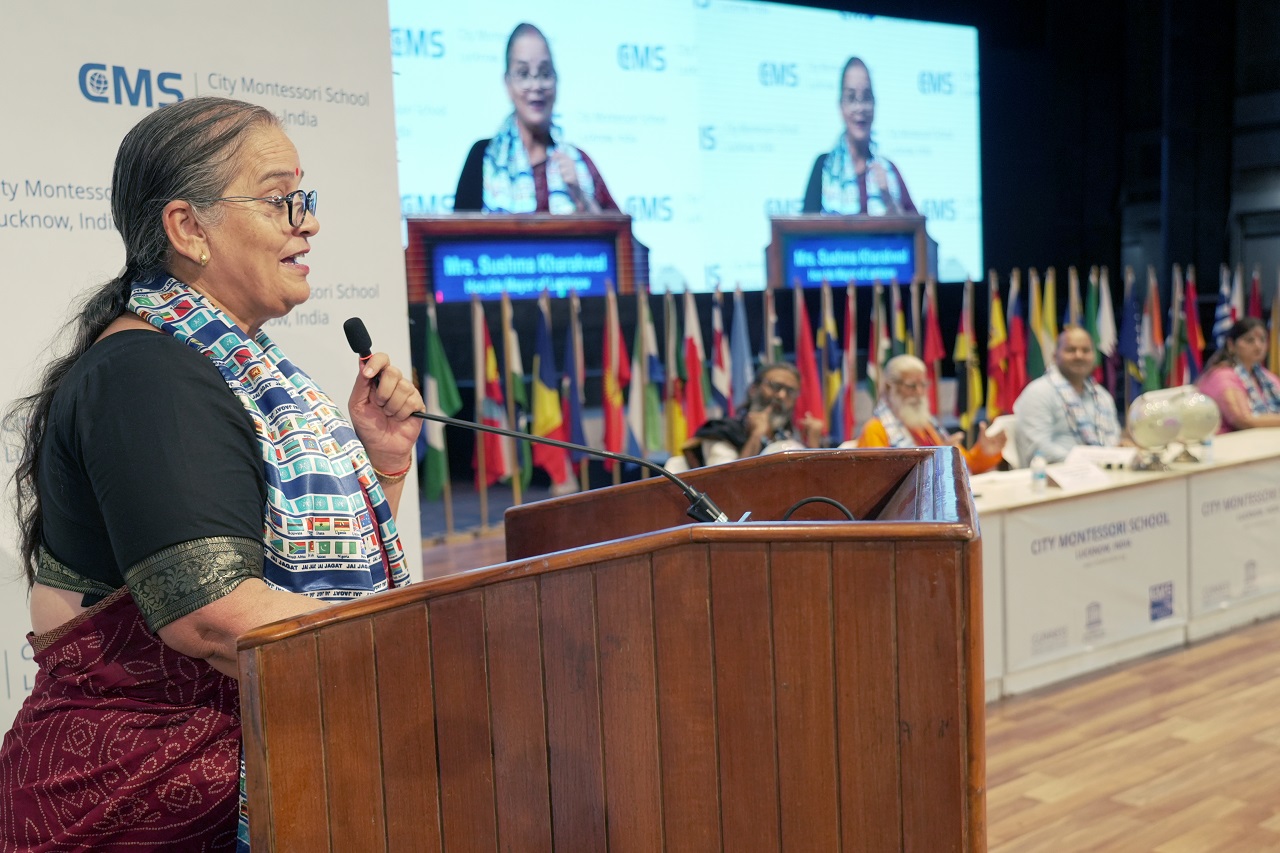
Addressing the gathering, Mrs Kharkwal described women as the cornerstone of social progress, recognising their invaluable contribution not only in nurturing families but also in shaping the values and character of future generations. Commending CMS for its sustained commitment to peace education and global citizenship, she encouraged our students to remain connected to India’s rich cultural heritage while contributing towards a society founded on equality, harmony and mutual respect.

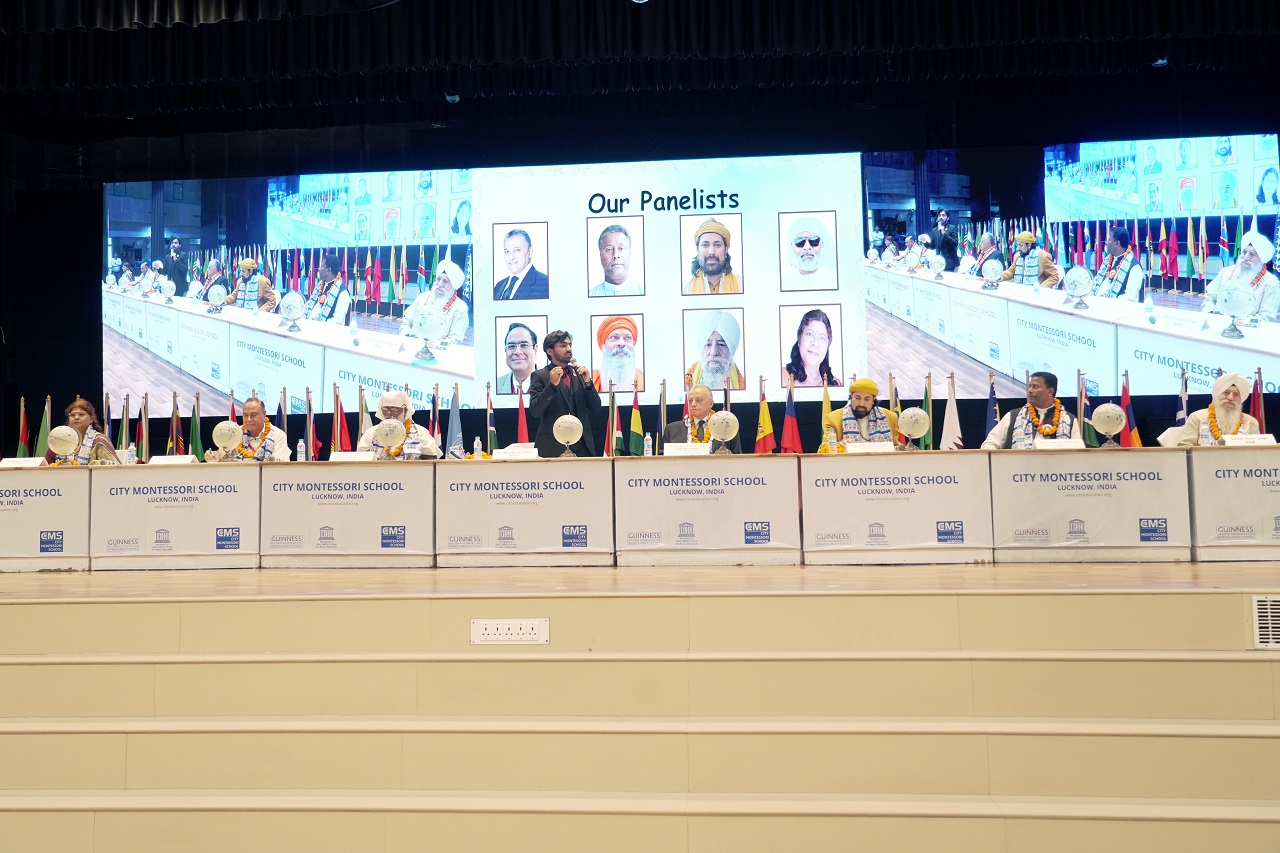
Panel I: Faith in Action – Enabling Equitable Participation

The first global panel explored how faith communities can play a transformative role in advancing women’s participation across every sphere of society. Discussions focused on recognising unpaid care work, removing structural barriers and creating greater opportunities for women in leadership and public life.

Hon’ble Justice Dr Dr (h.c.) Adel Omar Sherif, First Deputy Chief Justice of the Supreme Constitutional Court of Egypt, Founding Patron, International Interfaith Harmony Conference, observed that both constitutional principles and the core teachings of religion uphold gender equality.

Swami Veer Singh Hitkari, National Press Secretary, Akhil Bhartiya Ravidassia Dharam Sangathan Bharat, emphasised the importance of value-based education in cultivating equality from an early age. Rev. Father Sebastian Kollithanam, Director of the Leprosy Control and Eradication Committee, described women empowerment as the foundation of social awakening, while Haji Syed Salman Chishty, Gaddi Nashi, Dargah Ajmer Sharif and Chairman, Chishty Foundation, highlighted the need to guide young people in developing informed perspectives in an increasingly digital world.

The discussion was further enriched by insights from Sardar Surjit Singh Azad, Vice-Chairman of Sri Bangla Sahib Gurudwara, New Delhi, and Ms Neelam Chaturvedi, Founder of Sakhi Kendra, Kanpur, who shared practical perspectives on community awareness and women’s empowerment.

Panel II: Policy, Education and Economic Empowerment

The second panel examined the critical role of education, digital access, economic opportunity and public policy in achieving lasting gender equality.

Speaking during the session, Prof. Geeta Gandhi Kingdon, Managing Director of City Montessori School, stressed that gender equality begins at home and in schools. She highlighted persistent inequalities in access to higher education, prevailing gender biases within families and educational institutions, and the need to equip teachers to foster inclusive learning environments where boys and girls enjoy equal opportunities.

Dr David E. Risley, Founder of Justice Voices, God Unites and the Egypt Justice Project (USA), reaffirmed that gender equality reflects the fundamental principles of God’s creation.

Mahamandaleshwar Shri Goswami Sushil Ji Maharaj, Maharishi Bhrigu Pithadishwar Mahamandelshwar Shri Guruji Goswami Sushil Ji Maharaj, emphasised that balanced social development is only possible through the equal participation of women and men. Padma Shri Shyam Sundar Paliwal, Father of Eco-Feminism, Piplantri, Rajasthan, encouraged women to take on greater leadership roles in driving positive social change.

The panel also featured valuable contributions from Shri Paramjeet Singh Chandok, Chief Advisor, Delhi Sikh Gurdwara Management Committee; Brahmarishi Dr Mohanji, Founder of the Mohanji Foundation; Shri Kamlesh Bhai Shastri, renowned spiritual storyteller; Dr Babita Singh Chauhan, Chairperson of the Uttar Pradesh State Women’s Commission; and Ashutosh Kumar Singh, Deputy Director, Department of Women Welfare, Government of Uttar Pradesh.

Panel III: Ethical Foundations of Gender Equality

The final panel explored gender equality through the lens of ethics, spirituality and religious traditions, encouraging contemporary interpretations of faith that uphold dignity, inclusion and equal opportunities for all.

The discussion featured Maulana Muhammad Ajazur Rahman Shaheen Qasmi, Marazban Nariman Zaiwalla, representing the Parsi community, Rev. Acharya Yeshi Phuntsok, Senior Advisor, Bharat Tibet Sahyog Manch, Mahant Shri Shivrupanand Swamiji, Peethadheeshwar, Avadhoot Datta Peeth, Mumbai, and Dr Rabbi Ezekiel Isaac Malekar, Head of the Jewish Community, New Delhi.

Together, the speakers reflected on the shared ethical foundations that unite diverse faith traditions, reaffirming that compassion, justice and respect for human dignity remain central to building a more inclusive world.

Young Voices Lead Meaningful Conversations

One of the defining features of the day was the active involvement of students and alumni as moderators, reflecting CMS’s commitment to empowering young people as confident communicators and future leaders.

The sessions were moderated by Ms Khyati Lamba, Conference Convenor and Principal, alongside student moderators Ms Akshara Tathagat, Mr Aditya Tripathi, Ms Kashni Channa, and Mr Mujtaba Ali Khan.

Through thoughtful questions and engaging interactions, the student moderators encouraged dynamic conversations between delegates and participants, ensuring that discussions remained practical, relevant and firmly rooted in the shared values of humanity.
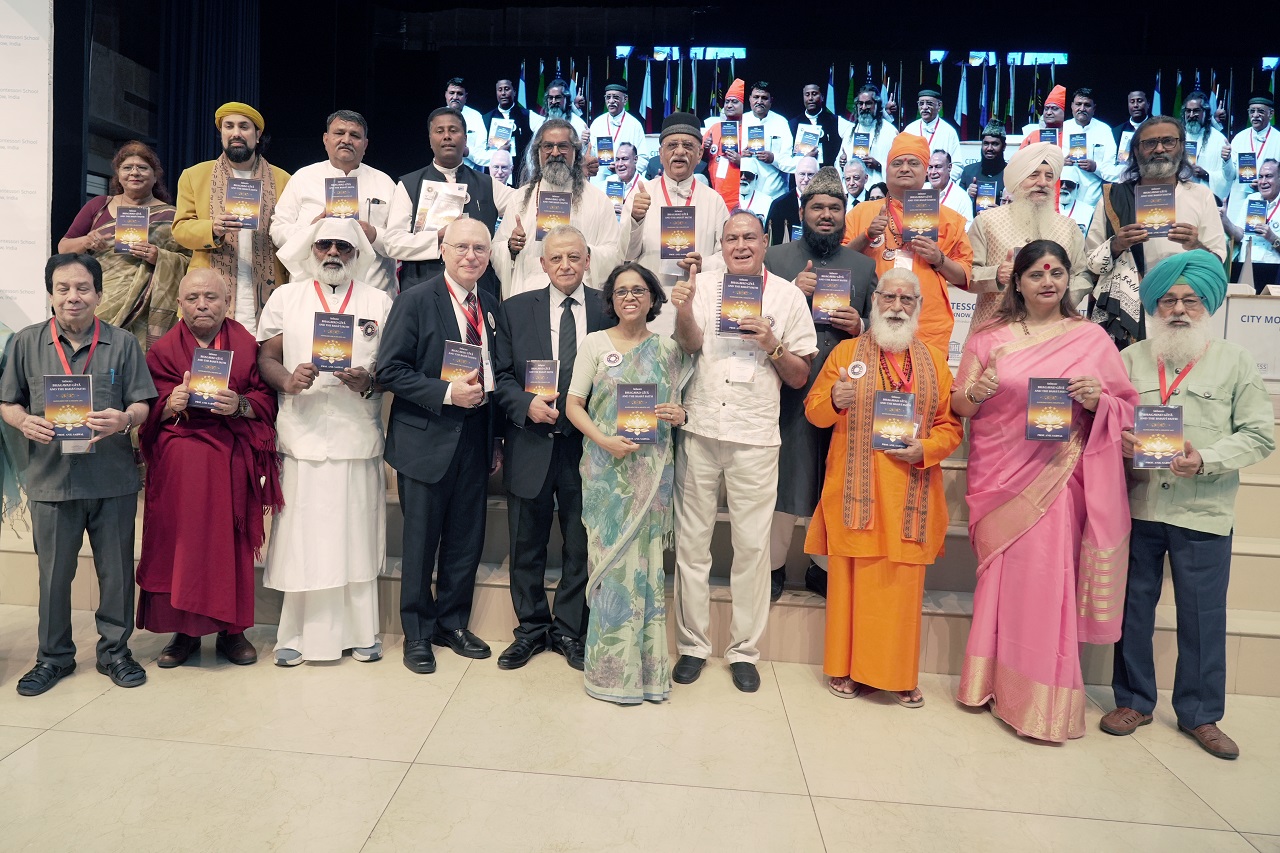
Looking Ahead

The second day of the Conference demonstrated that advancing gender equality requires more than dialogue alone—it calls for shared responsibility, ethical leadership and sustained collaboration across faiths, institutions and communities.

Scroll to Top