
Article 51: A Constitutional Mandate for Global Unity
“In 2024, conflicts displaced over 123.2 million people globally — the highest number since records began.”
— UNHCR Global Trends Report, 2024
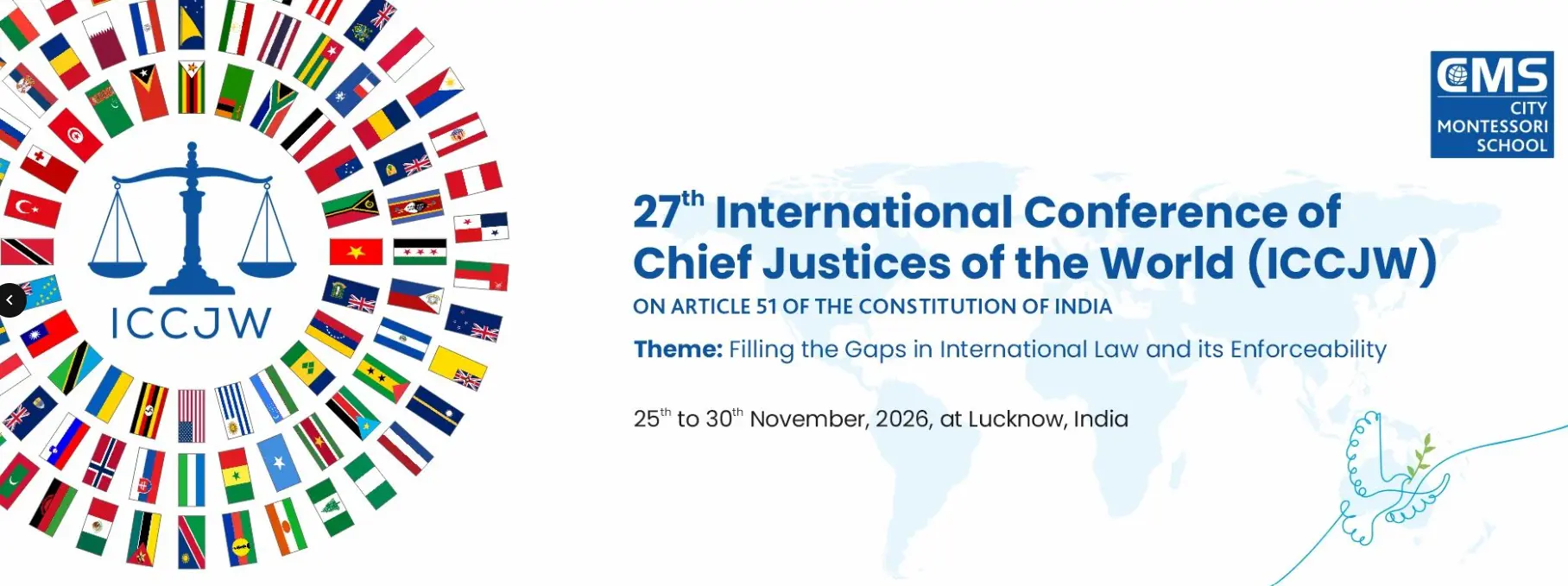
Amid rising wars, climate-induced crises, and fractured governance, the world desperately seeks a renewed framework for collective security. The 27th International Conference of Chief Justices of the World (ICCJW) addresses this imperative by drawing inspiration from Article 51 of the Indian Constitution, which advocates for the promotion of international peace and security, maintaining just and honourable relations, respect for international law, and the settlement of disputes through arbitration.
As a beacon for world peace, Article 51 embodies the ancient Indian philosophy of ‘Vasudhaiva Kutumbakam’—the world as one family—and motivates collective action to build a unified global order that transcends national boundaries and safeguards humanity’s shared destiny.
Key Principles:
- Promoting International Peace and Security: Article 51 mandates India to strive for the maintenance of international peace and security through cooperative frameworks and dialogue
- Fostering Respect for International Law: The provision emphasises the development and adherence to enforceable international legal standards binding on all nations
- Encouraging Arbitration: Article 51 advocates for the peaceful settlement of international disputes through arbitration rather than military confrontation
- Maintaining Just Relations: The constitutional directive calls for establishing and preserving honourable relations between nations based on mutual respect and equality
- Global Governance Reform: Article 51 inspires the exploration of democratic and representative global governance structures fit for contemporary challenges
Our Inspiration

Dr Jagdish Gandhi
(10 November 1934 - 22 January 2024)
Founder Convenor of the Conference &
Founder of City Montessori School
In this very spirit, the 27th ICCJW invites leaders, jurists, diplomats and thinkers of the world to revisit how constitutional values might guide global governance as envisioned by the respected late Dr Jagdish Gandhi, Founder Convenor of ICCJW and Founder-Manager of City Montessori School — an educationist and visionary behind this conference who promoted a broader definition of education that freed it from its largely material emphasis to focus on a broader effort that encompassed all three realities of a child: material, human and spiritual.
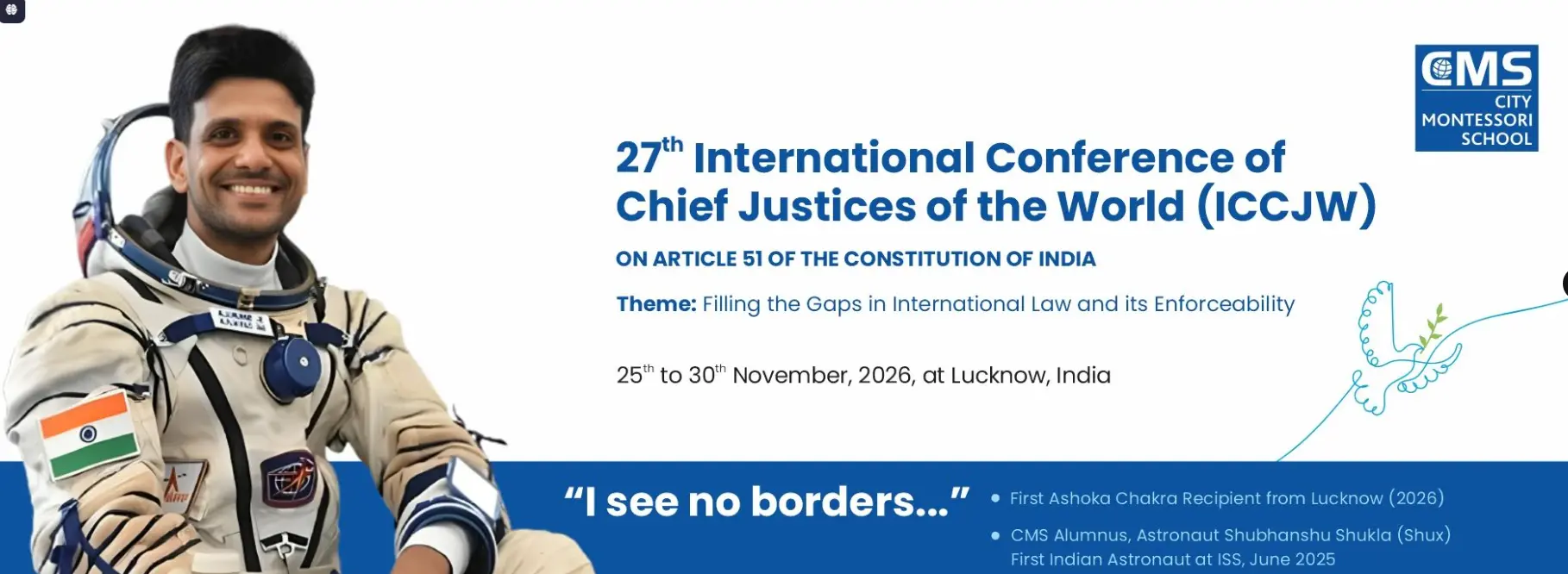
His conviction that “a modern school must act as a lighthouse of society” continues to illuminate our path forward, much like CMS alumnus and national hero, Gaganyatri Shubhanshu Shukla, India’s first astronaut at the International Space Station, who famously observed from space, “I see no borders…”—a profound reminder that our shared humanity transcends artificial divisions.
“The World Judiciary is the last hope for humanity’s survival.” — Dr Jagdish Gandhi
Conference Objective
International law has not kept up with the challenges of the 21st century. There are numerous issues in which domestic legal regimes are inadequate.
Climate change, gross disparities of wealth, weapons of mass destruction, the health of the rainforests and oceans are among the challenges to peace, security and well-being that impact every human being everywhere and which cannot be met only at the national level. Such challenges to human security are becoming increasingly acute while the political relations amongst the world’s most powerful nations are increasingly and dangerously adversarial. We believe that principles of justice embodied in both national and international systems of law are necessary to meet these challenges.
This year we will examine legal concepts and policies to help amplify the status of the rule of law with a specific focus on improving the effectiveness of international law.
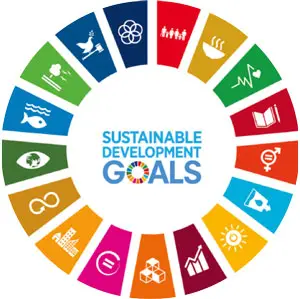
Topics for Discussion aligned with the UN SDGs
Sub-Theme I: Reimagining Global Institutions for Legitimacy and Enforcement
Sub-Theme II: Strengthening Accountability through International Adjudicatory Mechanisms
Sub-Theme III: Governing the Global Commons: Law Beyond Territorial Borders
Sub-Theme IV: Artificial Intelligence, Armed Conflict, and the Frontiers of Legal Responsibility
Sub-Theme V: Judicial Capacity, Technology, and the Evolution of Legal Reasoning
Sub-Theme VI: Enforcement through Cooperation: Finance, Partnerships, and Smart Coalitions

“Let me tell my brother Judges, the hands of a great judge are not tied. Throughout my career, I have never felt once that my hands were tied. You can always find ways and means if you are creative, if you are imaginative and if you have the public interest at heart. Therefore, resolve to yourself that you are working for justice not only for those who come before you, or can came before you, but justice for everyone, for the common man.”
— Hon. Mr Justice P. N. Bhagwati
Former Chief Justice of India
The then Chairman, United Nations Human Rights Committee (Geneva)
Honourable Chief Justices, Judges, Heads of States & Other Dignitaries
The 27th ICCJW convenes an unparalleled gathering: chief justices from across continents, heads of state, prominent jurists, scholars, UN envoys and eminent global thinkers. The presence of these luminaries underscores the ambition of this platform — to bring judicial authority, intellectual gravitas and policy influence into the same conversation. We will also host keynote addresses, panel discussions and roundtables with select dignitaries. Over three days in Lucknow, the discourse will range from legal doctrine to pragmatic reform, from regional jurisprudence to global mandates.
This distinguished congregation underscores the universal relevance of the conference’s mission and the critical role of the judiciary in steering humanity towards a more peaceful and secure future.
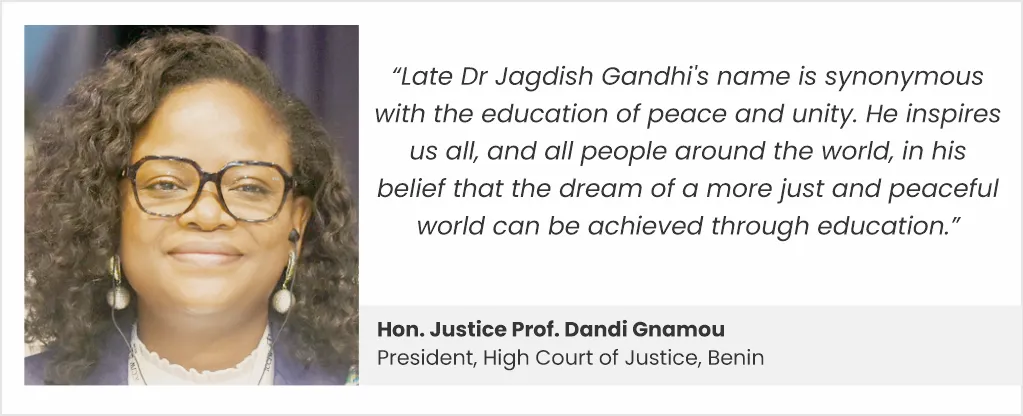
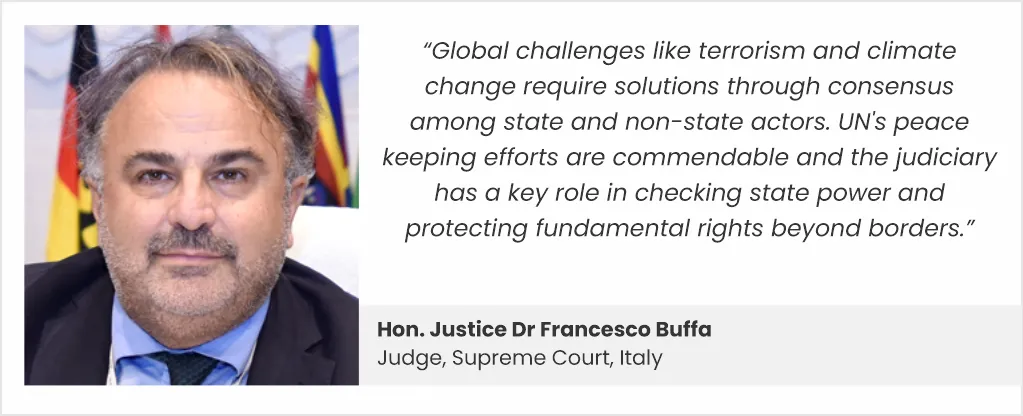
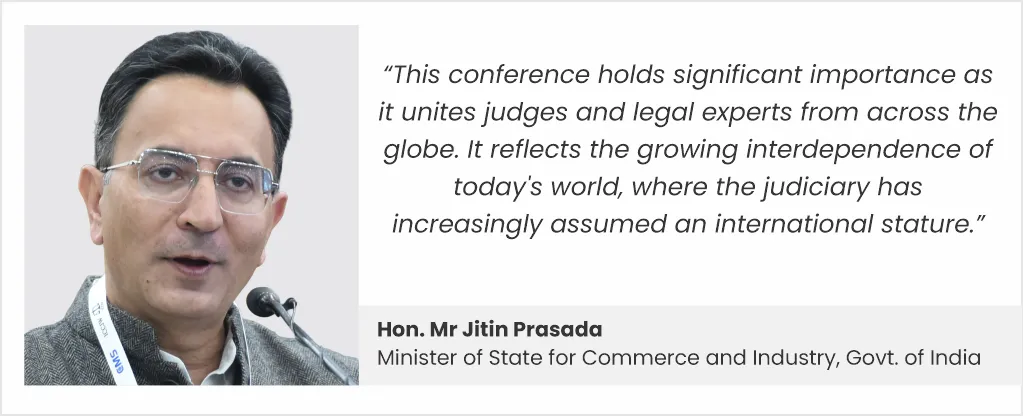
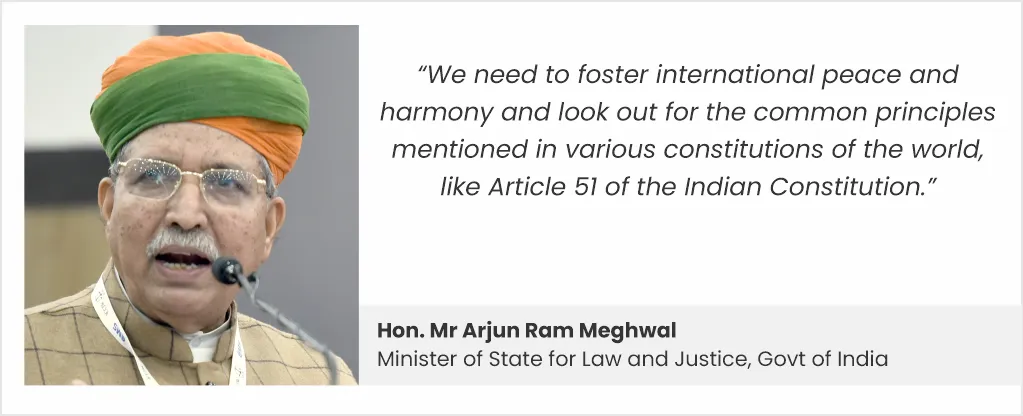
An Iconic Global Conference: Why Now?
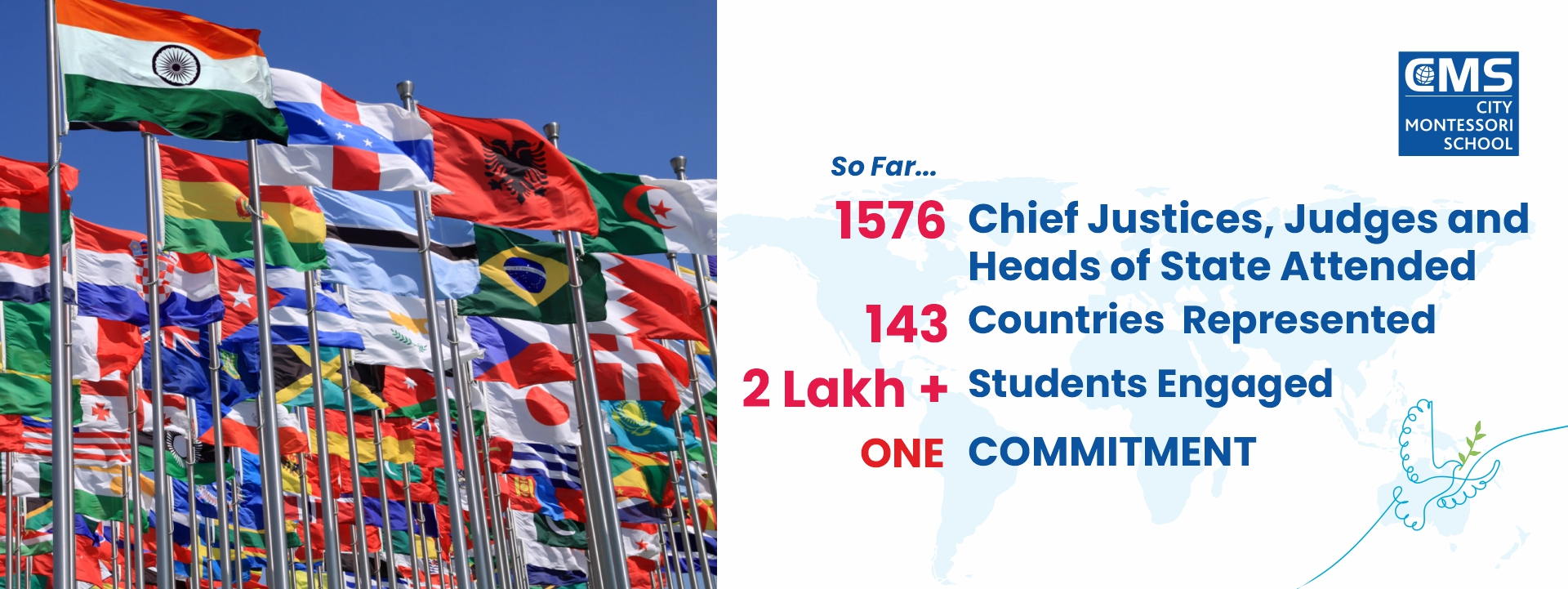
Since its inception in 2001 by the late Dr Jagdish Gandhi, the International Conference of Chief Justices of the World has brought together 1,576 Chief Justices and Judges from 143 countries, alongside numerous Heads of States and Governments. In its 27th edition, ICCJW continues as an iconic global platform because the crises of our era demand collective judicial wisdom and moral leadership. Issues such as climate catastrophes, systemic inequality, war crimes, cybersecurity, AI governance, cross-border resource conflicts, pandemics and state collapse all press upon multilateral architecture. Without a robust rule of law, these challenges mutate into existential threats. This conference addresses critical governance gaps in areas including human development, climate action, disarmament, and the evolving role of civil society in global governance.
Stronger international arbitration to combat wars and cross-border conflicts.
Climate justice, planetary stewardship, and evolving multilateral governance for outer space
Human rights violations and terrorism are threatening global stability
Equitable adaptation finance and rights of vulnerable states
Norms for artificial intelligence, data sovereignty and digital equity
Disarmament and a new definition of 'security'—shifting from military to human security
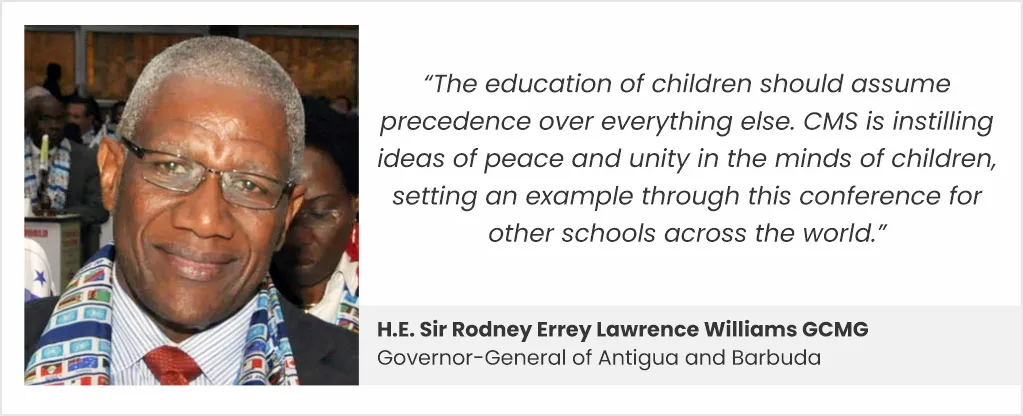
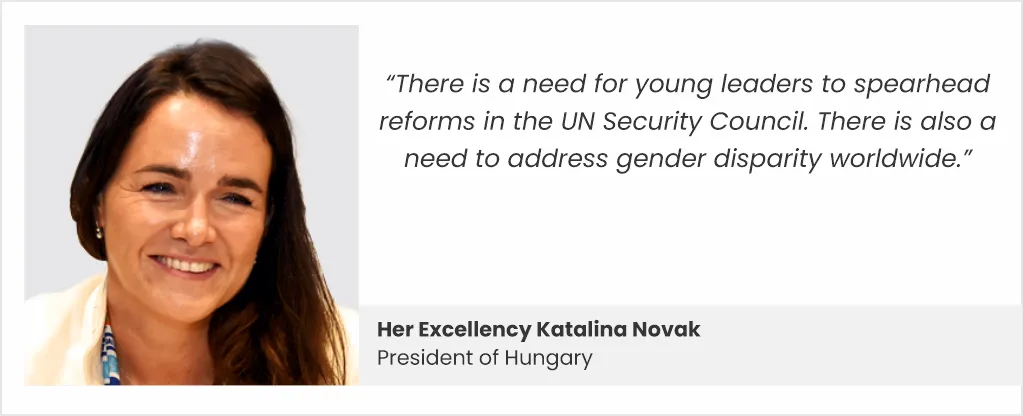
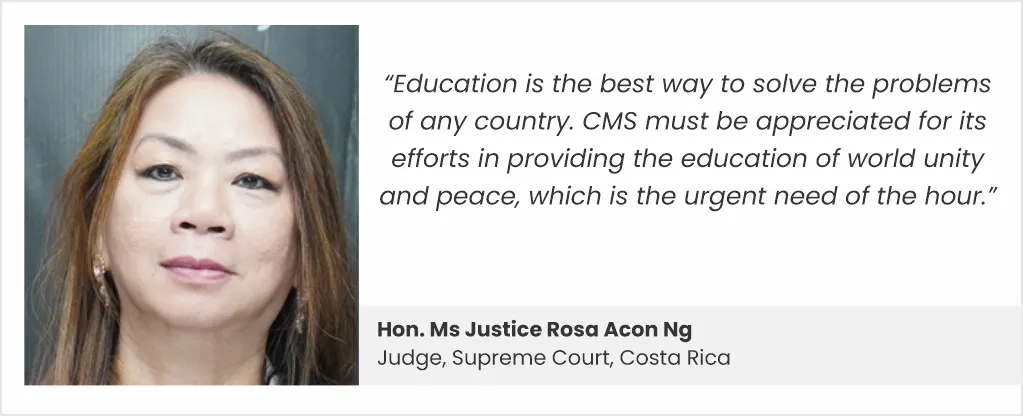
Views Expressed at Past Editions of the ICCJW
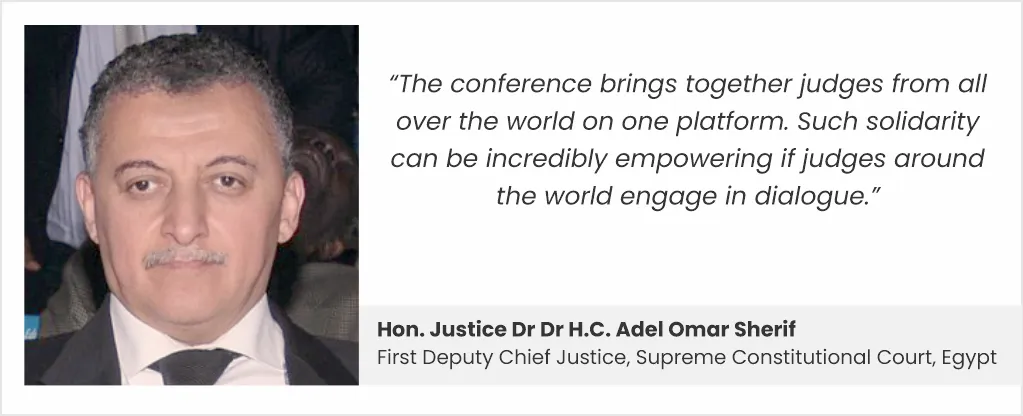
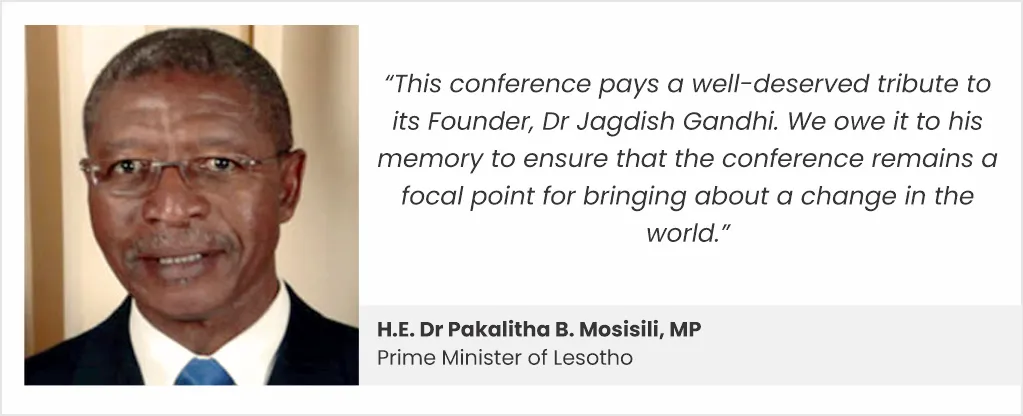
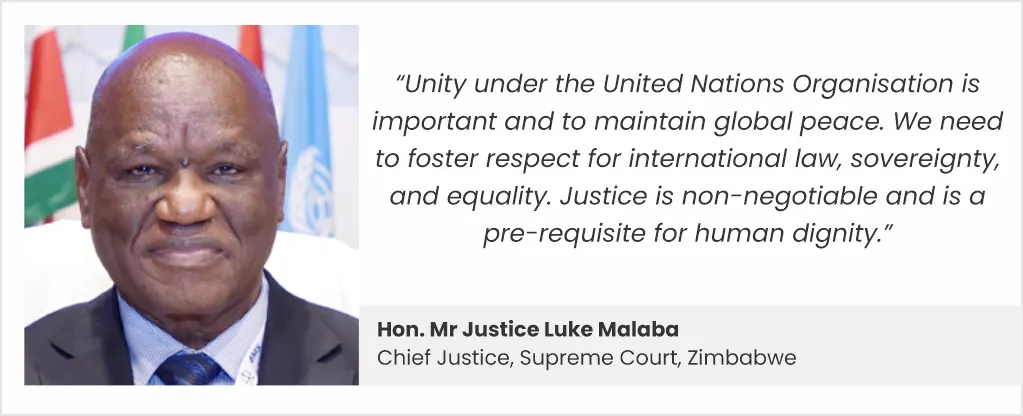
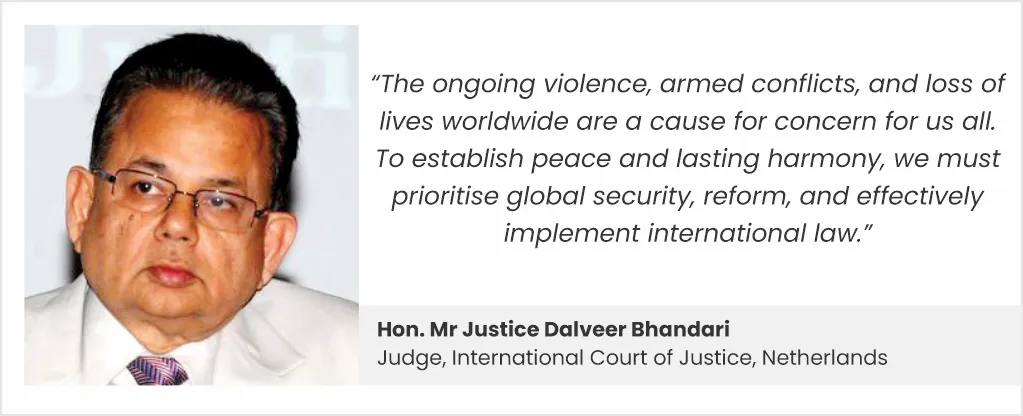
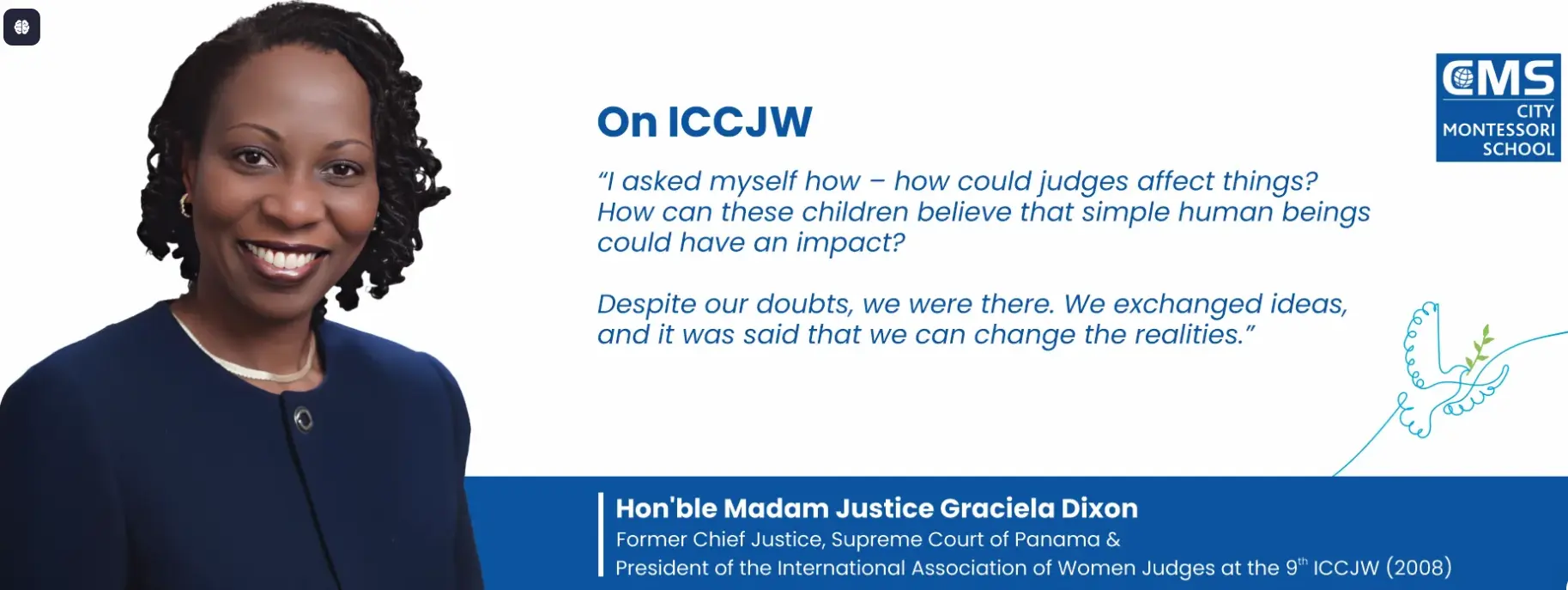
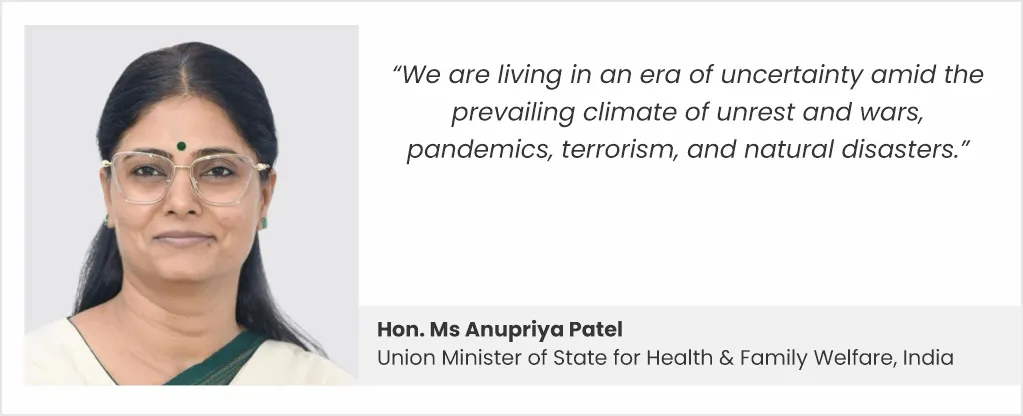
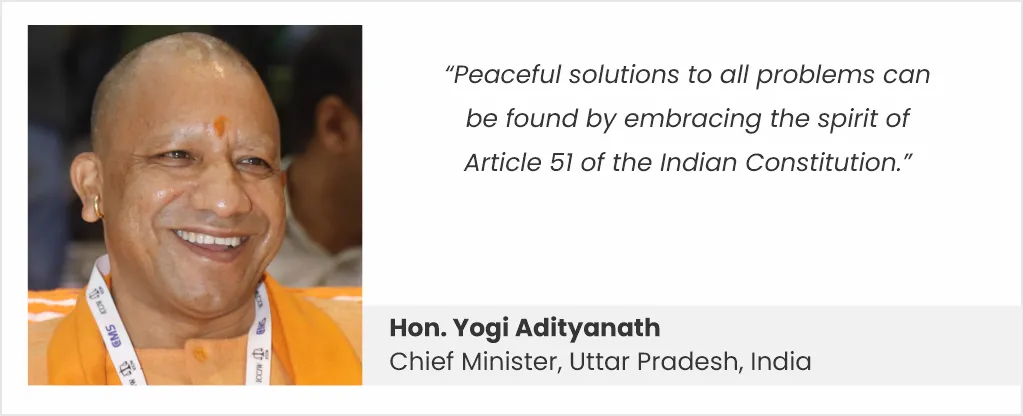
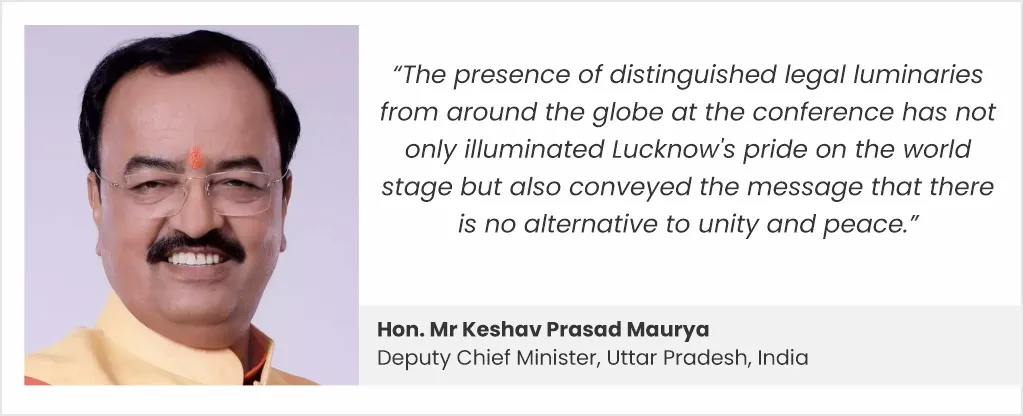
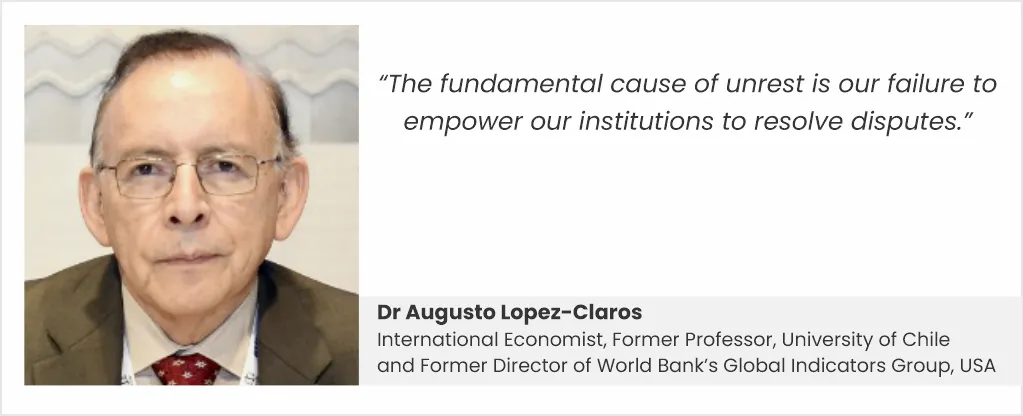
These few insights from past participants highlight the conference’s consistent role as a catalyst for meaningful change. We encourage you to see how this vital dialogue will unfold and inspire an actionable change for humanity’s collective future.
Children’s Appeal to the World Judiciary
At the heart of the 27th ICCJW lies a powerful and poignant appeal from the world’s children. Despite the 1989 UN Convention on the Rights of the Child guaranteeing equal rights, protection from violence, the right to education, and freedom from hazardous employment, vast majorities of the world’s children continue living in want and misery, deprived of their fundamental rights.
The students of City Montessori School, on behalf of over 2.5 billion children and generations yet unborn, present a petition to the World Judiciary, pleading for those deprived of basic rights to education, food, and healthcare. This appeal highlights the grim realities of nuclear stockpiles, ongoing wars, international terrorism, and environmental degradation that directly threaten their lives and well-being.
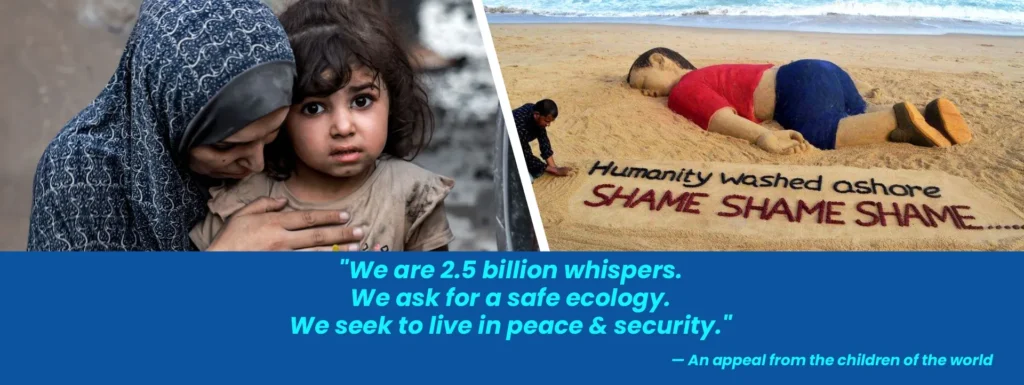
This Children’s Appeal is not symbolic — it is a moral and legal imperative that will guide the academic, policy, and judicial conversations at the 27th ICCJW. We urge all honourable delegates and distinguished policymakers and changemakers to reflect on this plea, integrate it into panel deliberations, and embed it as a guiding principle of global jurisprudence.